
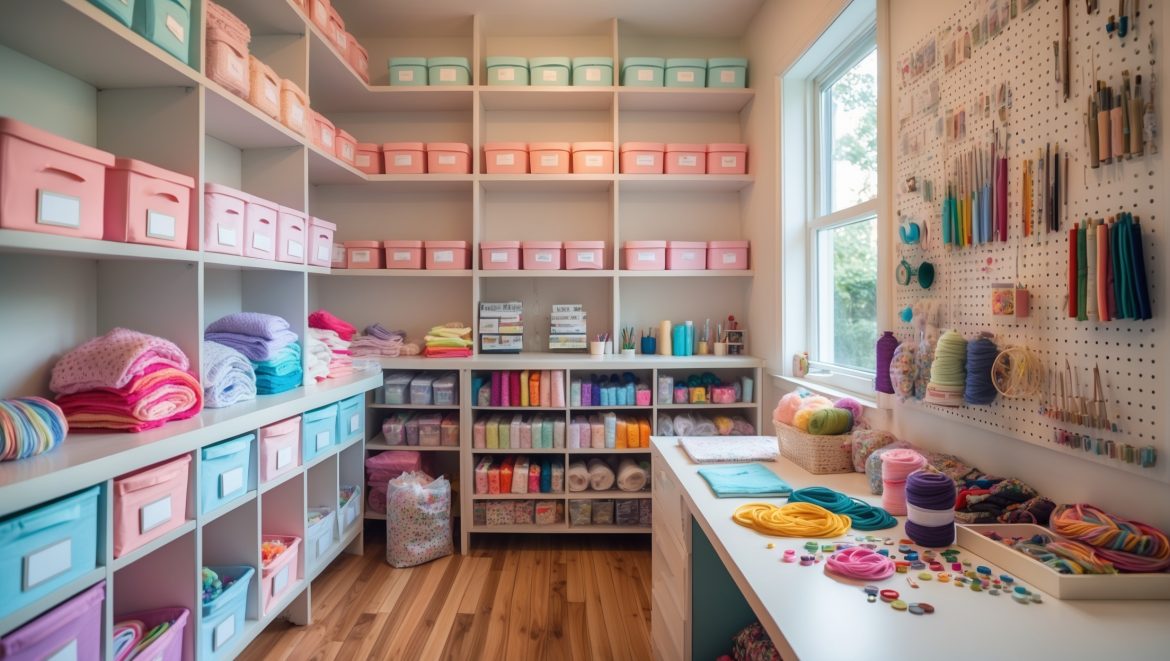
Introduction: Why Organization Matters in the DIY Craft Studio
Every passionate crafter knows the exhilaration of starting a new project—and the frustration of searching for lost supplies, untangling thread, or knocking over a cluttered pile of materials. Crafting is a creative pursuit, but it thrives on order. An intelligently organized craft studio is more than just tidy shelves: it’s the foundation for productivity, inspiration, and even safety. Whether you’re running a small handmade business from home or simply want to make the most of your creative time, investing in smart storage solutions can radically transform your DIY experience. In this guide, we’ll explore actionable strategies for organizing every corner of your craft space—no matter its size or your specialty. From modular storage systems to project management stations, you’ll discover techniques to maximize space, protect your investments in supplies, and set up a workflow that keeps creativity flowing. Let’s dive into the art and science of organizing your craft studio for serious DIY success.
Assessing Your Craft Studio: Laying the Groundwork
Understanding Your Crafting Habits
Before reorganizing, take a close look at how you use your space. What crafts do you practice most often? Which materials and tools do you reach for daily? Are there supplies you rarely use but can’t part with? Make a list of your core activities—sewing, painting, papercraft, jewelry-making, woodworking, etc.—and note the specific items each requires.
Inventory and Purge
- Sort by Category: Separate items into logical groups (e.g., paints, fabrics, adhesives, hand tools, specialty papers).
- Assess Condition: Discard dried-up glues, broken tools, or materials you realistically won’t use.
- Document Supplies: Consider using a spreadsheet or inventory app to track what you have. This helps avoid overbuying and highlights storage needs.
Mapping Your Space
Measure your studio and sketch a simple floor plan. Identify existing storage (shelves, drawers, closets) and open areas where you could add systems. Note sources of natural light, power outlets, and work surfaces—these will influence where you store certain items.
Smart Storage Strategies: Solutions for Every Space and Supply
Vertical Storage: Maximizing Wall Space
- Pegboards: Install above your main worktable to keep tools, scissors, rulers, and small bins accessible and visible. Customize with hooks, baskets, and shelves.
- Wall-Mounted Shelving: Use adjustable shelves for storing jars of buttons, paint bottles, yarn, or stacked boxes. Clear containers let you see contents at a glance.
- Magnetic Strips: Mount strips to hold metal tools or small containers of pins and clips.
Modular and Movable Storage
- Drawer Units on Casters: Rollable carts or drawer stacks allow you to bring supplies to your workspace and tuck them away when finished.
- Stackable Bins: Transparent, stackable bins work for fabric, yarn, or paper. Label bins with contents and date of purchase.
- Utility Carts: Three-tier carts offer mobile storage for ongoing projects or frequently used supplies.
Small Item Organization
- Divided Containers: Use compartmentalized trays, bead organizers, or tackle boxes for beads, findings, buttons, and embellishments.
- Mason Jars or Spice Jars: Perfect for storing small hardware, pins, or sequins. Attach lids beneath shelves for easy access.
- Drawer Inserts: Customizable inserts keep tools, pens, and notions from tangling or mixing.
Bulk and Oversized Material Storage
- Vertical Fabric & Paper Storage: Use file organizers, magazine holders, or rolling garment racks for bolts of fabric, large sheets of paper, or canvases.
- Pipe or PVC Racks: DIY racks for wrapping paper, rolls of vinyl, or even dowels and rods.
- Under-Table Storage: Slide flat storage boxes under your worktable for large items or seldom-used materials.
Project Workflow Stations
- Active Project Bins: Assign bins or trays for ongoing projects. Store all required materials together to avoid misplacing parts.
- Drying Racks: Install wall-mounted racks or foldable shelves for projects needing to dry (paint, glue, resin).
- Inspiration Boards: Pin up sketches, samples, or color swatches on cork boards or magnetic boards near your main workspace.
Labeling and Tracking: Keeping Chaos at Bay
Effective Labeling Systems
- Consistent Labels: Use a label maker or printable labels for bins, drawers, and shelves. Include both category and key contents (e.g., “Acrylic Paints – Warm Tones”).
- Color Coding: Assign colors to different craft types or priority levels to quickly identify what you need.
- Date and Usage: For perishables like glues or paints, note the purchase or opening date.
Inventory Management
- Digital Tracking: Use apps like Airtable, Trello, or Google Sheets to track inventory and project supplies.
- Low-Stock Alerts: Set reminders to reorder core supplies when quantities run low.
- Project Checklists: Maintain checklists to ensure all materials are ready before starting a new project.
Specialized Storage for Different Craft Disciplines
Sewing and Textile Crafts
- Thread Racks: Wall-mounted or freestanding racks keep spools visible and tangle-free.
- Fabric Folding Systems: Fold fabric around comic boards or hang on skirt hangers for easy browsing.
- Pattern Storage: Use file folders, magazine holders, or clear envelopes to organize patterns by type or project.
Papercraft and Scrapbooking
- Flat File Drawers: Store cardstock, specialty paper, and stickers flat to prevent warping.
- Die-Cut and Stamp Storage: Magnetic sheets and clear pockets work well for dies and stamps.
- Tool Stations: Dedicate a drawer or caddy for punches, trimmers, and adhesives.
Jewelry Making
- Bead Storage: Small divided boxes or bead trays with lids prevent mixing and spills.
- Findings and Wire: Store in labeled envelopes, pill organizers, or hanging pocket organizers.
- Tool Hangers: Use a magnetic strip or pegboard for pliers, cutters, and specialty tools.
Painting and Fine Arts
- Brush Holders: Use upright containers or rolled brush wraps for easy selection.
- Paint Tube Bins: Divide by color family and medium for efficient access.
- Canvas and Board Storage: Vertical slots or racks keep canvases organized and protected.
Safety and Preservation: Protecting Your Materials and Yourself
Climate and Moisture Control
- Dehumidifiers: Prevent mold and warping in basement or garage studios.
- Silica Gel Packs: Place in bins with sensitive materials (paper, fabric, electronics) to absorb moisture.
- UV Protection: Store light-sensitive materials in opaque bins or closed cabinets.
Safe Chemical Storage
- Dedicated Cabinets: Store solvents, paints, and adhesives in ventilated, fire-resistant cabinets.
- Away from Heat Sources: Keep flammable supplies away from radiators, direct sunlight, and electrical outlets.
Pest Prevention
- Sealed Containers: Store wool, natural fibers, and paper in airtight bins to prevent damage from moths and silverfish.
- Regular Cleaning: Keep crumbs, fabric scraps, and dust under control to avoid attracting pests.
Workflow Optimization: Designing for Productivity
Work Zone Planning
- Task-Based Zones: Set up zones for cutting, assembling, finishing, and packaging. Keep necessary tools and supplies within arm’s reach of each zone.
- Clear Work Surfaces: Prioritize open space for active work. Regularly clear and reset surfaces between projects.
Lighting and Accessibility
- Task Lighting: Use adjustable lamps or overhead LEDs to illuminate work areas, especially for fine detail work.
- Frequently Used Supplies: Store daily essentials at eye level or in top drawers for quick access.
- Rarely Used Items: Place seasonal or specialty supplies higher up or further from the main work zone.
Budget-Friendly Storage Hacks and DIY Projects
Repurposing Household Items
- Muffin Tins: Ideal for sorting beads, buttons, or small hardware during projects.
- Glass Jars: Save jars from groceries for storing brushes, pencils, or odds and ends.
- Shoe Organizers: Hang on doors for storing yarn, ribbon, or small packaged items.
DIY Storage Builds
- Custom Shelving: Build shelves with adjustable heights to accommodate changing needs.
- Upcycled Crates: Stack and secure wooden crates for rustic, modular storage.
- Magnetic Boards: Make your own with sheet metal and a frame for holding metal tools or containers.
Maintaining Your Organization System
Regular Reviews
- Monthly Tune-Ups: Take 15 minutes each month to tidy, re-label, and return misplaced items to their homes.
- Seasonal Decluttering: At least twice a year, reevaluate your supplies and purge anything unused or expired.
Adapting to New Projects
- Flexible Systems: Choose storage that can be reconfigured as your interests or business evolve.
- Feedback Loop: When you notice clutter piling up, ask yourself if your system needs tweaking. Organization is an ongoing process!
Conclusion: Unlocking Your Creative Potential with Organized Systems
An organized craft studio isn’t a static achievement—it’s a living, evolving system that supports and amplifies your creative ambitions. By investing time and thought into tailored storage solutions, you set yourself up for smoother workflows, less stress, and more time spent doing what you love: creating. Thoughtful organization ensures that you always know where to find your tools, never run out of essential supplies, and can transition between projects with minimal disruption. It also protects your investment in materials, extends the life of your tools, and even helps maintain a safer, healthier workspace. Most importantly, a clutter-free environment invites inspiration and supports your best work, whether you’re crafting for pleasure or profit.
Start small: pick one area to tackle and implement a few of the strategies outlined above. Over time, your studio will evolve into a personalized, efficient haven for creativity. Remember, the best organization system is the one that works for you—adapt ideas to fit your space, your crafts, and your workflow. The transformation may take a little effort, but the creative freedom and satisfaction you gain are well worth it. Happy crafting—and happy organizing!
When mapping out the craft studio and making a floor plan, do you have recommendations for affordable digital tools or apps that work well for visualizing small spaces and organizing zones for different crafting activities?
For creating a craft studio floor plan, free or affordable apps like Roomstyler, Floorplanner, and Magicplan are user-friendly and great for small spaces. They let you drag and drop furniture and create zones for different crafting activities visually. You can also try SketchUp Free for more customization if you want extra detail.
When assessing my craft supplies, how do you decide what to keep if you’re not sure you’ll use something again but it’s still in good shape? Any specific questions you ask yourself during the purge process?
When sorting supplies, consider asking yourself whether you’ve used the item in the past year and if you have a specific project in mind for it soon. Also, ask if it’s easily replaceable or expensive to repurchase. If it doesn’t inspire you or fit your current interests, it might be time to let it go.
When organizing by category, how do you suggest storing small items like beads or buttons so they’re easy to find but don’t spill everywhere?
For small items like beads or buttons, clear compartmentalized boxes or stackable drawer units work really well. You can label each section by color or type for quick access. Make sure the containers have secure lids or snap closures to prevent spills, and consider using trays or drawer inserts for even more separation.
If I share my floor plan measurements, could you give tips on arranging zones for different activities—like separating a painting area from sewing—while keeping shared supplies accessible?
Absolutely, if you share your floor plan measurements, I can suggest how to divide your space into functional zones for activities like painting and sewing. I’ll also recommend layouts for shared storage, so commonly used supplies are easy to reach from each zone, keeping your workflow smooth and organized.
For someone with a really limited budget, what would you say are the absolute essential storage solutions to prioritize first when starting to organize a craft studio?
When working with a tight budget, focus first on clear plastic bins or shoeboxes for sorting supplies, a sturdy shelf (even a repurposed one), and small containers for items like beads or buttons. These basics help you keep things visible and accessible without spending much, making your space easier to use and maintain.
After purging unused supplies, how do you suggest organizing specialty items like odd-shaped tools or materials that don’t fit into standard containers?
For odd-shaped tools or materials, try using wall-mounted pegboards, magnetic strips, or adjustable shelving to keep them visible and accessible. Clear bins or open baskets can hold irregular items, while hooks or hanging racks work well for things that are too bulky for boxes. Custom dividers in drawers can also help keep specialty items organized.