
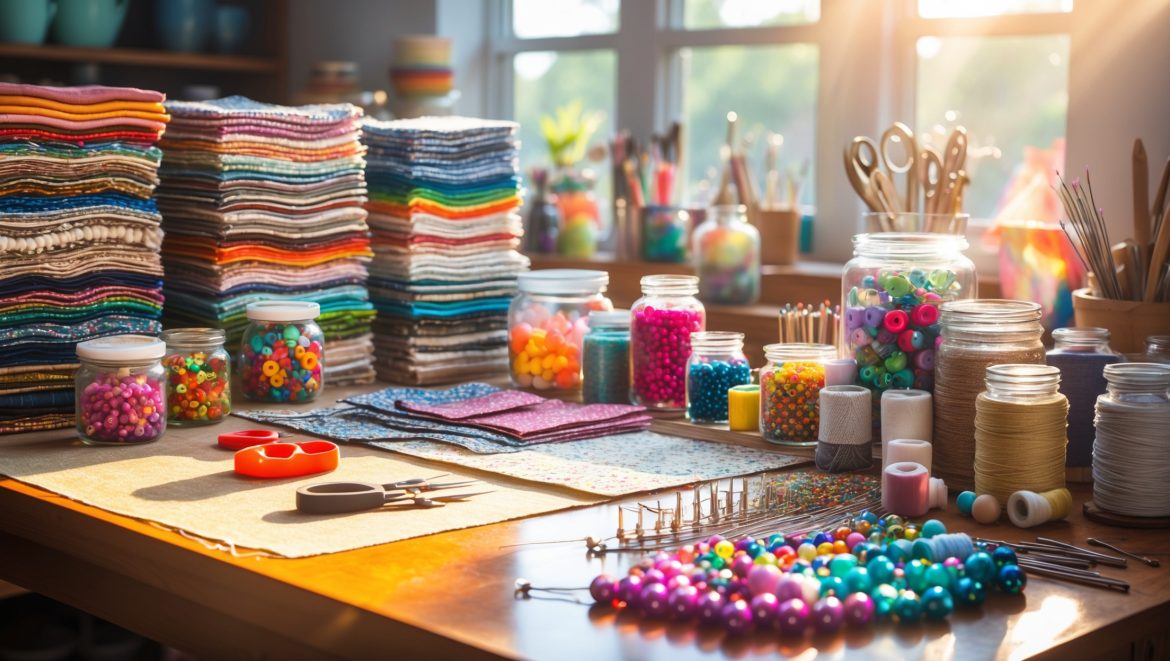
Introduction: The Savvy Crafter’s Secret—Smart Sourcing
Every passionate DIYer knows that the difference between an ordinary project and a truly extraordinary creation often lies in the materials you choose. But with prices on the rise and specialty craft supplies sometimes costing a small fortune, how can you keep creating without draining your wallet? The answer: learn the art of sourcing quality materials—wisely, creatively, and on a budget.
This comprehensive guide is dedicated to helping you find top-notch supplies for your crafts without overspending. Whether you’re a weekend hobbyist, a small-batch seller, or just getting started in the world of creative DIY, you’ll discover practical strategies for stretching your budget, building a sustainable supply stash, and even uncovering some hidden gems along the way. We’ll cover everything from thrift store treasure hunting and upcycling to online deals, bulk buying, swaps, and more. Ready to give your DIY projects the materials they deserve—without breaking the bank? Let’s get started!
Why Material Sourcing Matters for DIY Crafters
The Impact on Craft Quality and Enjoyment
Your choice of materials directly affects the durability, look, and feel of your finished piece. High-quality supplies not only elevate your work but make the crafting process smoother and more enjoyable. However, “quality” doesn’t have to mean “expensive.” Understanding how to spot value—and where to find it—is a skill every thrifty crafter should master.
Sustainability and Ethical Considerations
Sourcing isn’t just about cost. Many crafters today prioritize eco-friendly, recycled, or locally produced materials. Thoughtful sourcing can help reduce waste, support local businesses, and align your projects with personal or brand values.
Assessing Your True Material Needs
Project Planning and Inventory
Before shopping, take stock of what you already have. Create a basic inventory of your current supplies—beads, fabrics, threads, glues, woods, etc. Planning projects in advance ensures you buy only what you’ll use, minimizing waste and duplicate purchases.
- Make a list of upcoming projects and required materials.
- Set realistic quantities—overbuying often leads to unused stockpiles.
- Identify versatile materials that work across multiple crafts.
Top Sources for Quality, Affordable Craft Materials
Thrift Stores and Charity Shops
These are goldmines for fabric remnants, yarn, buttons, frames, vintage jars, and even partial craft kits. Visit regularly; inventory changes often.
- Check linens, curtains, and clothing for upcyclable fabric.
- Old jewelry can be disassembled for beads and findings.
- Picture frames, baskets, and glassware are often available for less than a dollar.
Online Marketplaces and Auction Sites
Websites like eBay, Facebook Marketplace, Craigslist, and specialized craft forums offer both new and gently used materials—sometimes in bulk, often at steep discounts.
- Set up saved searches for your favorite materials.
- Look for “lot” or “destash” sales, where crafters clear out surplus supplies.
- Always check seller ratings and photos to ensure quality.
Discount and Dollar Stores
National chains and neighborhood dollar shops often stock basic craft supplies, seasonal items, and organizational tools. Quality can vary, but for basics like foam brushes, glue, and pipe cleaners, these stores can’t be beat.
- Shop right after major holidays for deep discounts on themed supplies.
- Inspect items in-store for defects before buying in bulk.
Big-Box Craft Stores: Maximizing Sales and Coupons
Major craft retailers can be pricey at full price, but savvy shoppers never pay sticker price. Sign up for store emails and apps to access coupons and flash sales.
- Combine coupons with sales for maximum savings.
- Check clearance sections—especially after holidays and at season’s end.
- Many stores price-match; don’t hesitate to ask.
Wholesale Clubs and Bulk Buying
If you use large quantities of certain supplies—like cardstock, glue, or paint—consider joining a wholesale club or buying in bulk packs online. Even Amazon offers bulk deals on select craft materials.
- Split large orders with friends or fellow crafters to save.
- Calculate storage space before buying in bulk to avoid clutter.
Community Swaps and Crafting Groups
Local crafting circles, community centers, or online groups often host supply swaps. These events are perfect for offloading unused items and discovering new-to-you treasures.
- Join Facebook Groups or Meetup.com for local crafting communities.
- Organize a swap with friends or at your local library.
- Swap etiquette: bring quality items and only take what you’ll use.
Nature as a Resource: Foraging and Upcycling
Twigs, stones, pinecones, acorns, pressed leaves, and flowers can be transformed into beautiful, eco-friendly crafts. Always forage responsibly, respecting local laws and habitats.
- Wash and dry natural materials thoroughly before use.
- Check for pests or sap that could damage your workspace.
Evaluating Quality: How to Spot Good Materials on a Budget
Visual and Tactile Inspection
Examine materials for color consistency, texture, and signs of wear or damage. Trust your senses—if it feels flimsy, it probably won’t hold up in your project.
- For fabric: check for pilling, stains, tears, and strong odors.
- For wood: avoid pieces with cracks or signs of rot.
- For beads and findings: ensure fastenings are secure and metals aren’t tarnished beyond cleaning.
Material Testing: Small-Scale Trials
When possible, test a small sample before committing. Wash a fabric scrap, glue a test piece, or paint a swatch to check for bleeding, warping, or colorfastness.
Brand vs. Generic: When to Splurge, When to Save
Some generic supplies work as well as name brands, while others don’t. For example, off-brand glue may not hold as well, but generic paintbrushes could be just fine for certain projects. Do a little research or ask in crafting forums for recommendations before buying.
Budgeting and Tracking Your Craft Supply Spending
Setting a Realistic Monthly or Project-Based Budget
Decide how much you can comfortably spend each month or per project. Use a spreadsheet or budgeting app to track purchases and avoid impulse buys.
- Include all costs: materials, tools, shipping, and even storage solutions.
- Review your spending quarterly to spot trends and adjust as needed.
Cost-Per-Use Analysis
Calculate the true value of your supplies by dividing the item’s cost by the number of projects or uses you’ll get from it. This helps you decide when it’s worth paying extra for durability or multi-use versatility.
Finding Hidden Gems: Unconventional and Free Sources
Businesses and Industry Surplus
Many businesses discard offcuts, misprinted items, or expired packaging—perfect for creative reuse. Try these avenues:
- Ask local upholstery shops for fabric scraps.
- Check with print shops for paper or cardboard remnants.
- Inquire at tile or flooring stores for leftover samples.
Freecycle and “Buy Nothing” Groups
Online communities like Freecycle or local Buy Nothing groups often have members giving away craft materials, storage bins, or tools for free. Just post a “wanted” ad or keep an eye on daily postings.
Recycling Centers and Scrap Stores
Some cities have creative reuse centers or scrap stores specializing in affordable, salvaged materials for artists and crafters. These are ideal for finding unique, one-off items at a fraction of retail cost.
Storing and Organizing Your Budget Finds
Smart Storage to Prevent Waste
Proper storage extends the life of your materials and keeps your workspace clutter-free. Use clear bins, jars, and labels so you can see what you have—and use it before buying more.
- Group similar items together (by type, color, or project).
- Keep an “inspiration bin” for odd bits you might use later.
- Review your stash quarterly to purge expired or damaged items.
Creative Organization Hacks
Use thrifted or upcycled storage solutions—mason jars, vintage suitcases, spice racks, or drawer dividers—to keep costs low and add character to your craft space.
Building Supplier Relationships and Loyalty Perks
Local Shop Connections
Get to know staff at your favorite craft or fabric store. Loyal customers often receive advance notice on sales, sample freebies, or even insider tips on upcoming discounts.
Loyalty Programs and Cashback Apps
Sign up for supplier loyalty programs or use cashback apps for online purchases. Points and rewards can add up to significant savings over time.
Advanced Tips: Sourcing for Specific Craft Types
Sewing & Textiles
- Shop remnant bins at fabric stores for discounted offcuts.
- Upcycle bedding, clothing, or curtains from thrift stores.
- Look for “fat quarter” bundles online for patchwork projects.
Jewelry Making
- Disassemble broken or vintage jewelry for beads and findings.
- Order mixed bead assortments or “grab bags” from online sellers.
- Use hardware store items (washers, nuts) for industrial-style jewelry.
Paper Crafts and Scrapbooking
- Collect old books, sheet music, and maps for unique backgrounds.
- Ask print shops for misprints or offcuts.
- Use wrapping paper, greeting cards, and packaging for collage elements.
Home Décor and Upcycling
- Scout for base items like frames, vases, and trays at yard sales.
- Repurpose jars, cans, or tins for storage or planters.
- Use appliance boxes or pallets for larger woodworking projects.
Staying Inspired Without Overspending
Make the Most of What You Have
Challenge yourself to “shop your stash” before heading out for new supplies. Many creative breakthroughs happen when you work within limits.
Follow Budget Crafting Influencers
Social media is full of talented makers who share thrifted finds, upcycling hacks, and budget-friendly tutorials. Follow hashtags like #thriftedcrafts or #budgetcrafts for ideas.
DIY Kits and Community Classes
Try inexpensive craft kits, or attend local workshops where materials are provided. This is a great way to experiment with new crafts without investing in a full set of supplies.
Conclusion: Crafting Creatively and Sustainably on Any Budget
Sourcing quality materials on a DIY budget is more than just a money-saving tactic—it’s a creative practice that can elevate your crafting, reduce waste, and connect you with a vibrant community of makers. By planning your projects, exploring unconventional sources, and embracing the challenge of working with what you have, you’ll not only stretch your dollars further but also develop a unique style that sets your work apart.
Remember, the most memorable crafts aren’t always made from the costliest supplies. They’re born from ingenuity, resourcefulness, and the thrill of discovering the perfect material in an unexpected place. Whether you’re hunting for vintage fabric at a flea market, swapping beads with friends, or reimagining a thrifted frame, every find becomes part of your creative story.
As you continue on your DIY journey, keep refining your sourcing skills. Share your tips, trade your surplus, and support local and sustainable suppliers when you can. Most importantly, enjoy the process—because the best crafts aren’t just about what you make, but how you make them. Happy thrifty crafting!

I try to support local businesses, but sometimes the prices are higher than big box stores or online. Any tips for balancing ethical sourcing with staying on budget?
You can balance ethical sourcing and budget by shopping local for select, unique items while getting basics or bulk materials elsewhere. Ask local shops about sales, loyalty programs, or scrap bins for discounts. Sometimes, collaborating with other crafters for bulk purchases from local suppliers can reduce costs, too. This way, you support your community without overspending.
Can you elaborate a bit on how to balance supporting local businesses with sticking to a tight DIY budget? Are there specific strategies that work well in practice?
Balancing support for local businesses with a tight DIY budget is possible by looking for community events like craft fairs or pop-up markets where vendors may offer discounts or scraps. Many local shops hold clearance sales or offer loyalty programs. Building relationships can also lead to special deals or access to offcuts and surplus materials that aren’t advertised.
Do you have any tips for figuring out if thrift store materials are actually good quality before buying them? Sometimes it’s hard to tell if something is worth the price or just looks cool on the shelf.
When shopping at thrift stores, check materials for sturdiness, stains, or odors, and test zippers, buttons, or seams if looking at textiles. For wood or metal items, look for cracks, rust, or warping. If possible, handle the item to gauge its weight and feel—quality items tend to be heavier and well-constructed. Don’t hesitate to ask staff about the item’s history if you’re unsure.
Could you suggest any specific tips for identifying truly high-quality materials at thrift stores, especially for newer crafters who might not know what to look for yet?
When shopping at thrift stores, check fabrics and yarns for strength by gently tugging to see if they hold up or fray. Look for natural fibers like cotton, wool, or linen, as they usually last longer. For wood or metal items, inspect for signs of damage or rust. If you’re unsure, bring a small list of good materials and textures to reference while browsing.
Can you share any tips for determining if thrift store materials are still high quality, especially for items like fabric or yarn that might not have labels?
Absolutely! For fabric, check for stains, odors, and weak spots by holding it up to the light and gently stretching the weave. With yarn, look for consistent thickness and avoid skeins that feel brittle or break easily. If possible, do a quick hand wash test to check for colorfastness and durability before using in your projects.
What strategies do you recommend for building a well-rounded supply stash without buying things you might never use, especially for beginners who are still figuring out their crafting style?
Start by focusing on versatile basics like scissors, glue, and a few neutral paints or papers. Choose materials that work for multiple projects, such as felt, cotton fabric scraps, or plain beads. As you try different crafts, only add new supplies when a specific project calls for them. This way, you avoid clutter and discover your preferred styles gradually.
For someone just starting out with DIY crafts on a limited budget, which sourcing strategy from the article would you recommend trying first for the biggest impact?
Checking out thrift stores and secondhand shops is a fantastic first step if you’re new to DIY crafts on a tight budget. The article highlights that these places often offer a wide variety of craft materials at very low prices, letting you experiment without spending much. Start there to build your initial stash affordably.
I’m just starting out and sometimes I fear buying too much or too little. Do you have a simple method for tracking my supply inventory or estimating what I really need for a project?
A simple way to manage your supply inventory is to keep a notebook or spreadsheet where you list what you have and what you need for each project. Before buying, break down your project into required materials and amounts. Check your current inventory first, then only buy what’s missing. This helps avoid overbuying or running short.
As a student on a tight budget, how do you recommend deciding which supplies are worth investing a little more in versus which ones can be sourced cheaply or secondhand?
Focus your budget on supplies that affect the quality and durability of your finished project, like good paintbrushes or adhesives, since cheap versions may not last. For basics like fabric, paper, or containers, thrift stores and swaps are great low-cost sources. Start by deciding which materials are crucial for your project’s success, then invest more in those.
Could you expand on your advice for bulk buying—are there risks of materials going to waste or losing quality over time if I stock up too much for occasional projects?
Absolutely, bulk buying can lead to wasted materials or a decline in quality if you’re not careful, especially with items that degrade, like certain adhesives, fabrics, or paints. For occasional projects, it helps to only bulk-buy non-perishable or commonly-used staples. Make a project plan to estimate realistic quantities and store materials in a cool, dry place for optimal longevity.
How often should you reassess your supply stash to keep it organized and avoid overspending on duplicate materials, especially if you have limited storage space as a student?
A monthly check-in works well for most students with limited space. Set aside time each month to review what you have, tidy things up, and update your list of materials. This helps you avoid buying duplicates and ensures your stash stays organized and manageable despite tight storage.