

Introduction: Why Studio Organization Matters for Every DIY Crafter
If your creative process regularly comes to a screeching halt because you can’t find the right pair of pliers or you’ve misplaced that elusive roll of washi tape (again), you’re not alone. Organization is one of the most common challenges faced by DIYers and craft enthusiasts, regardless of experience level or the size of their space. An organized craft studio isn’t just about aesthetics—it directly impacts productivity, safety, and even the quality of your finished projects. When every tool, material, and ongoing project has a designated place, you spend less time hunting for supplies and more time making, experimenting, and enjoying the creative process.
But crafting comes with unique organizational hurdles: hundreds of small parts, oddly-shaped tools, materials that change with the seasons, and projects in various stages of completion. Off-the-shelf solutions rarely fit perfectly, and Pinterest-worthy storage can be deceivingly impractical. That’s why this guide focuses on storage systems that actually work in real-world DIY craft studios. We’ll break down proven strategies for organizing tools, supplies, and works-in-progress, address common pitfalls, and share actionable tips to help you transform cluttered chaos into a hub of creativity. Ready to reclaim your space and supercharge your workflow? Let’s dive in.
Assessing Your Space and Storage Needs
Take Stock Before You Store
Effective organization starts with a thorough assessment of what you own and how you use your space. Take a day to empty drawers, shelves, and bins. Sort your supplies into broad categories—papers, paints, textiles, adhesives, hardware, etc.—and group tools by function or frequency of use.
- Inventory Everything: Make a list of all tools and materials, including quantities. This helps prevent overbuying and streamlines future organizing.
- Analyze Workflow: Observe which supplies you reach for most often and which are rarely touched. Proximity to your main work area should reflect frequency of use.
- Measure the Space: Accurately measure walls, floor space, and vertical clearance. Don’t forget hidden spots—under tables, closet shelves, or behind doors.
Plan for Change and Growth
Your organizational needs will evolve. Leave room for new materials and tools. Modular or adaptable storage systems save frustration (and money) down the line.
Smart Storage Solutions for Every Craft Studio
Vertical Storage: Making the Most of Your Walls
Walls are prime real estate in a craft studio. Going vertical keeps supplies visible and accessible while freeing up valuable surface space.
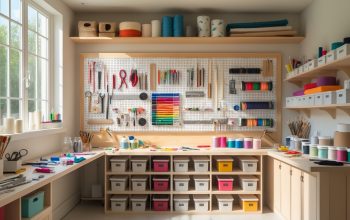
- Pegboards: Customizable and endlessly adjustable. Use hooks, baskets, and shelves to store scissors, rulers, cutting mats, and even small jars of embellishments. Outline your tools with marker or tape so you always know where they belong.
- Wall-Mounted Shelves: Adjustable shelves can hold everything from paint bottles to fabric bolts. For stability, use heavy-duty anchors and brackets, especially if storing heavier items like power tools or books.
- Magnetic Strips: Perfect for metal hand tools, scissors, or even small tins of beads and fasteners. Mount above your workbench for instant access.
- Hanging Rails and Rods: Use S-hooks or clips to suspend spools of ribbon, rolls of vinyl, or baskets of yarn. Curtain rods can double as dowel holders for wrapping paper or washi tape.
Worktable Organization: Keeping the Surface Clear
A cluttered table kills productivity. Keep your work surface open by storing most supplies off-table, but have a select few essentials within arm’s reach.
- Under-Table Storage: Rolling carts, shallow drawers, or stacking bins fit perfectly beneath most tables. Use them for frequently used items or ongoing projects.
- Tabletop Tool Caddies: A lazy Susan with divided compartments works wonders for holding pens, brushes, and scissors. Use trays or baskets to corral smaller items.
- Clip-On Accessories: Clamp-on cup holders or bins attach to the edge of your table, keeping tools handy but out of your main workspace.
Drawer and Cabinet Mastery
Drawers and cabinets are only as effective as their internal organization. Resist the urge to toss supplies in haphazardly—use dividers and labeled containers to maintain order.
- Drawer Inserts: Adjustable organizers (even repurposed cutlery trays) separate small items like beads, buttons, or blades.
- Clear Bins and Boxes: Transparent containers make it easy to see contents at a glance. Stackable designs maximize cabinet space.
- Label Everything: Use a label maker or printable tags. Include both the item and its intended spot (e.g., “Acrylic Paints – Top Shelf”).
Bulk and Seasonal Storage
Some supplies are only used seasonally or bought in bulk. Designate out-of-the-way areas for these items so they don’t crowd your everyday space.
- High Shelves: Store seldom-used items on upper shelves. Use clear bins and a step stool for safe access.
- Closet Organization: Install a second hanging rod, add shelves, or use hanging shoe organizers for rolls of vinyl, yarn, or stencils.
- Under-Bed or Sofa Storage: Flat bins fit under furniture for storing large sheets of paper, foam boards, or felt.
Mobile Storage: Flexibility for Shared Spaces
If your craft studio doubles as a guest room or home office, mobile storage is a game-changer.
- Rolling Carts: Three-tier carts are ideal for moving supplies from storage to worktable. Assign each tier to a category (tools, adhesives, embellishments).
- Portable Tool Caddies: Tote bags or handled bins let you carry essentials to other rooms or to crafting meet-ups.
Organizing Common Craft Supplies: Practical Systems
Papers and Flat Materials
- Vertical Paper Racks: Keep cardstock, scrapbook paper, and specialty sheets upright to prevent curling.
- Filing Cabinets: Hanging file folders work for patterns, templates, and instruction sheets. Use acid-free folders for archival projects.
- Magazine Holders: Store smaller pads or offcuts upright and sorted by color or type.
Yarn, Thread, and Textile Storage
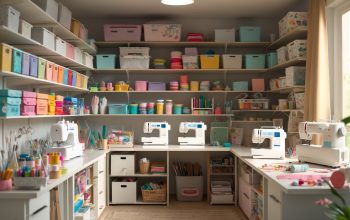
- Cubbies or Cube Shelves: Organize yarn skeins by color or weight. Open storage prevents tangling and makes it easy to see what you have.
- Thread Racks: Wall-mounted or freestanding racks keep spools and bobbins neat and visible.
- Fabric Bins: Fold fabric around comic boards or cardboard pieces for uniformity. Store vertically like files for easy access.
Paints, Inks, and Liquids
- Spice Racks: Repurpose for acrylics, watercolors, or ink bottles. Wall-mounting saves space and keeps labels visible.
- Drawer Organizers: Use shallow trays with dividers for tubes and bottles.
- Leak-Proof Bins: Store potentially messy liquids in bins with tight lids, especially if working on carpet or near electronics.
Beads, Buttons, and Small Embellishments
- Pill Organizers or Hardware Boxes: Small compartments are ideal for sorting by color, size, or type.
- Mason Jars: Clear jars with screw lids look great on shelves and protect contents from dust.
- Stackable Drawers: Label each drawer for quick retrieval.
Tools: Hand, Power, and Cutting
- Pegboards (again): Hang tools by type and size. Use outlines for easy returns.
- Magnetic Bars: For metal tools like pliers, tweezers, and scissors.
- Drawer Liners: Prevent tools from sliding and protect sharp edges.
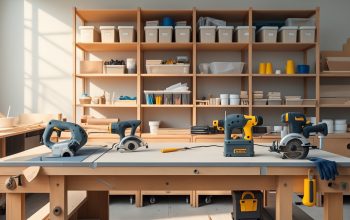
- Tool Chests: Heavy-duty toolboxes work well for power tools, especially if you need to move them between spaces.
Labeling and Inventory Management
Why Labeling Matters
Labels eliminate confusion and help everyone in your household respect the system. Whether you prefer printed labels, chalkboard tags, or color-coding, consistency is key.
Inventory Apps and Digital Tools
If your stash is substantial, consider using an inventory app or simple spreadsheet. Track what you own, quantities, and storage locations. This makes restocking and project planning a breeze.
Maintaining Your Studio Organization
Set Up a Reset Routine
Organization isn’t a one-time project. Designate five to ten minutes at the end of each session to reset your space: return tools, toss scraps, and jot down items to restock. Schedule a deeper clean and reorganize every few months to accommodate new materials or shifting interests.
Embrace the “One In, One Out” Rule
For every new tool or supply you bring in, consider letting go of something less-used. Donate surplus materials to schools or community centers.
Case Study: Real-World Craft Studio Makeover
Before: The Clutter Conundrum
Linda, a mixed-media crafter, struggled with overflowing bins, lost supplies, and a constant sense of overwhelm. Her tools were scattered, and she often bought duplicates because she couldn’t find what she needed.
After: Function Over Fancy
By installing a large pegboard, adding rolling carts, and labeling every bin, Linda transformed her studio. She now spends more time creating and less time searching. The biggest change? An end-of-day reset routine keeps clutter at bay. Her advice: “Don’t wait for perfection—start with what you have and adjust as you go.”
Organization Pitfalls and How to Avoid Them
- Overcomplicating Systems: If it takes more than a few seconds to put something away, you won’t stick with it. Keep systems intuitive.
- Ignoring Ergonomics: Don’t store heavy items overhead, or tools you use hourly in a distant closet.
- Underestimating Labeling: Unlabeled bins become black holes. Label everything, even if it seems obvious now.
- Neglecting Maintenance: Build regular resets into your schedule; clutter creeps in quickly in active studios.
Budget-Friendly Storage Hacks
- Repurpose Household Items: Use muffin tins for beads, shoe organizers for paint, and kitchen jars for buttons.
- DIY Shelving: Wooden crates, cinder blocks, or upcycled bookshelves make sturdy, affordable storage.
- Thrift Store Finds: Hunt for rolling carts, file cabinets, or baskets secondhand for unique and budget-wise solutions.
Conclusion: Make Your Space Work for You
Craft studio organization isn’t about achieving Pinterest perfection or spending a fortune on custom cabinetry. It’s about building a space that supports your creativity, keeps frustration at bay, and grows with your evolving interests. The best storage systems are the ones you’ll actually use—simple, visible, and tailored to your workflow. Start small: tackle one category, one bin, or one shelf at a time. Celebrate progress, and don’t be afraid to tweak your systems as your needs change.
Remember, a well-organized studio is a gift to your future self. It saves you money by eliminating duplicate purchases, protects your tools and materials, and, most importantly, frees your mind to focus on making. Whether you’re working in a dedicated room or a corner of your kitchen, effective organization is within reach. With the right systems in place, your craft studio becomes more than just a workspace—it becomes a launchpad for your most creative ideas. So roll up your sleeves, grab those bins, and transform your chaos into a creative sanctuary you’ll love coming back to, project after project.
I’d love to know how you keep track of your supply inventory over time. Do you use a simple paper list, a spreadsheet, or some kind of organizing app, and have you found one method to be more reliable than others?
I use a spreadsheet to keep track of my craft supplies because it’s easy to update and sort by category or quantity. I’ve tried paper lists before, but they got messy quickly. Spreadsheets let me see what I have at a glance, and I can access them on my phone when shopping, which is really convenient.
I have a really small craft space and most storage ideas I see online look huge or complicated. Do your real-world storage systems work well for tight spaces or should I try to downsize stuff first?
Many of the storage systems in the article are flexible enough for small craft spaces. Modular bins, wall-mounted racks, and stackable drawers can help maximize tight areas. You don’t need to downsize everything unless you want to; focus on vertical storage and organizing similar items together to make the most of your limited space.
I noticed the article mentions that off-the-shelf solutions usually don’t fit perfectly for craft studios. Can you suggest any specific DIY or customizable storage ideas for handling oddly-shaped tools or materials that are hard to store?
Absolutely! For oddly-shaped tools, consider using pegboards with movable hooks and baskets so you can adjust the setup as your needs change. PVC pipes mounted on walls or inside drawers are great for storing long or awkward items like rulers or knitting needles. Adjustable shelving and clear bins also help, since you can customize the space for different shapes and keep everything visible.
I like the idea of inventorying everything, but do you have any tips on managing the process when your supply categories overlap, like paints that also count as adhesives or multi-use tools? How granular should the list get?
When your supplies fit multiple categories, you can either log them in both places with notes, or use tags to mark items with all their uses. For granularity, keep your list detailed enough to find what you need easily but not so specific that it becomes a chore to update. Aim for main categories, with sub-notes for multi-use items.
How often should a small business owner reassess and update their studio organization and inventory lists to stay efficient without spending too much time away from actual crafting work?
For most small craft businesses, reviewing your studio organization and inventory lists every 1–3 months strikes a good balance. This way, you can adjust to seasonal changes, restock essentials, and tidy up without letting it become overwhelming or distracting from your creative work.
When doing the initial inventory, do you recommend any particular method or app for tracking supplies and quantities, or is a simple handwritten list enough for most crafters?
A simple handwritten list usually works well for most crafters, especially if your supply collection is moderate. If you prefer to go digital or have a large inventory, using a basic spreadsheet or a free inventory app can help you track quantities and locations more easily. Choose whichever method feels easiest to update and maintain.
As a parent with kids who love to craft, I struggle to keep seasonal materials from taking over our space. Do you have any organizational strategies for supplies that only get used for part of the year?
For seasonal crafting supplies, try using clear labeled bins or stackable containers, and store them on higher shelves or in a closet when not in use. Rotate them out as the season changes, keeping only current materials accessible. This keeps your main crafting area tidy and makes it easy to switch themes throughout the year.
After assessing my space, I sometimes feel overwhelmed and unsure where to start re-organizing. Do you have any tips for setting manageable goals or a timeline for tackling a really cluttered craft studio?
Feeling overwhelmed is totally normal when facing a cluttered studio. Try breaking your project into smaller, focused tasks—like sorting one shelf or drawer at a time. Set simple daily or weekly goals, such as organizing for just 20–30 minutes per session. This way, progress feels achievable and you’ll see improvement without stress.