
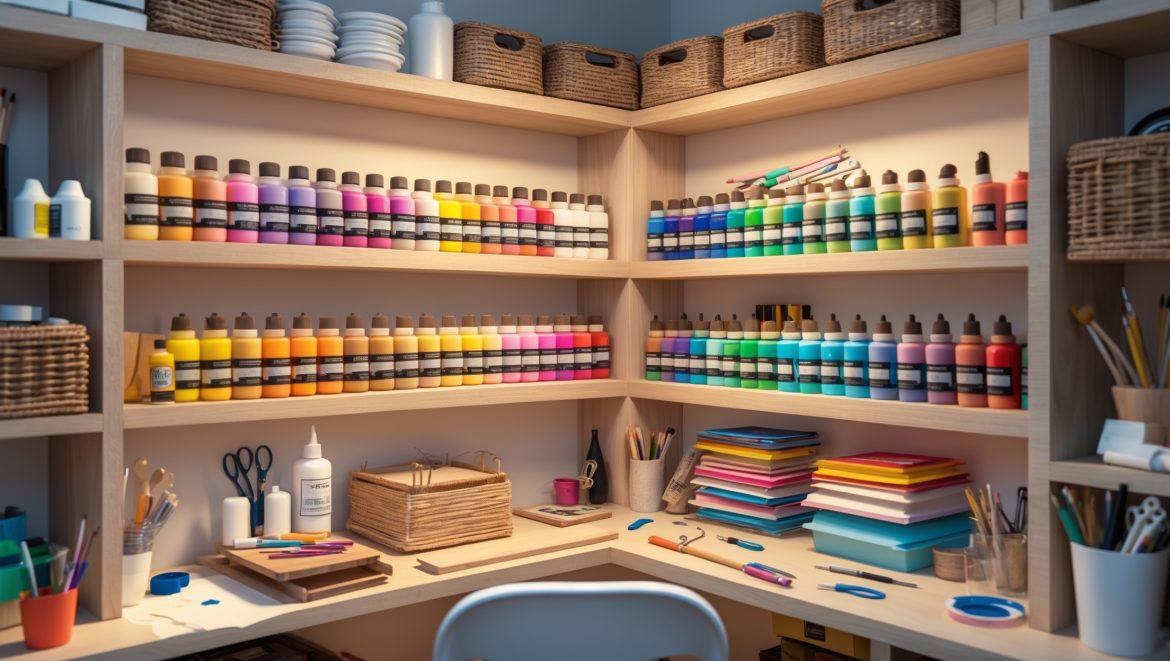
Introduction: Why a Dedicated Paint Storage Wall Transforms Your Craft Studio
Every DIY and craft enthusiast knows the struggle: paints in every hue, scattered across shelves, hidden in drawers, or teetering in precarious towers. Whether you work with acrylics, watercolors, chalk paints, or specialty finishes, keeping your paints visible, accessible, and organized is a game-changer for creative flow and studio tidiness. A custom DIY paint storage wall is not just about aesthetics—it’s about maximizing space, protecting your supplies, and streamlining your creative process. This comprehensive guide walks you through designing and building a paint storage wall tailored to your unique needs, from material selection and layout considerations to construction, installation, and ongoing maintenance. You’ll find expert tips, budget-friendly alternatives, and tricks for adapting the system to your craft room’s size and style. If you’re ready to stop hunting for the right color and start focusing on your next masterpiece, let’s dive in and build a studio solution you’ll love for years to come.
Planning Your Paint Storage Wall: Assessing Needs and Space
Take Inventory: How Much Paint Do You Really Have?
Before grabbing a tape measure or sketching designs, start by gathering every paint container in your studio. Sort them by type (acrylic, oil, watercolor, spray, etc.), size, and frequency of use. This inventory will determine the size and configuration of your storage wall.
- Count bottles and jars: Note how many containers you have in each size category.
- Identify odd sizes: Specialty paints or unconventional bottles may need custom-sized slots or shelves.
- Assess future growth: Leave room for new colors or mediums you may add in the future.
Choosing the Right Wall
Next, decide where your storage wall will live. Look for an area that is:
- Close to your primary workspace for easy access.
- Avoids direct sunlight to prevent paint degradation.
- Has enough vertical space for your inventory and allows for expansion.
- Is clear of electrical outlets, switches, or vents that would complicate installation.
Measuring and Mapping
Measure the available wall space—height, width, and proximity to furniture. Sketch a basic layout, noting:
- Stud locations (for secure mounting)
- Clearances needed for opening cabinets or drawers nearby
- Headroom for reaching top shelves
Designing Your Custom Paint Storage Wall
Popular Storage Styles
- Open Shelves: Simple, flexible, and great for larger bottles and jars. Easy to adjust spacing as your collection changes.
- Individual Cubbies: Provide each paint bottle with its own slot. Keeps colors upright and visible at a glance.
- Slanted Racks: Store bottles at an angle for optimal visibility and quick access.
- Combination Systems: Mix shelves, cubbies, and racks to accommodate different paint sizes and types.
Material Choices: Durability, Cost, and Looks
- Plywood: Affordable, strong, and easy to finish. 1/2” or 3/4” thickness is ideal for supporting weight.
- MDF (Medium Density Fiberboard): Smooth surface for painting, but heavier and less moisture-resistant.
- Solid Wood: Attractive and sturdy but pricier. Great for a showpiece wall.
- Metal Brackets & Rail Systems: Good for modularity and industrial style.
Safety and Practical Considerations
- Avoid storing flammable or volatile paints near heat sources.
- Ensure the wall and anchors can handle the combined weight of all paints.
- Plan for easy cleaning: smooth surfaces and removable shelves are easier to wipe down.
Measuring for Bottle Sizes
Standard craft paint bottles are 2oz-4oz and typically about 1” to 1.5” in diameter. Larger jars (8oz-16oz) and spray cans require 2”-3” of width. Design your cubbies or shelf spacing accordingly, leaving a little wiggle room for easy retrieval.
Gathering Tools, Materials, and Hardware
Basic Tools Needed
- Drill/driver with bits
- Level
- Stud finder
- Measuring tape and pencil
- Circular saw or miter saw
- Sanding block or electric sander
- Paintbrush or roller (for finishing)
Materials List (Example for a 4ft x 6ft Wall)
- Two 4’x8’ sheets of 1/2” plywood (for shelves/cubbies and backing)
- 1” x 2” pine strips or similar (for shelf supports and trim)
- Screws (1.25” and 2.5”)
- Wood glue
- Wall anchors (toggle or molly bolts if not screwing into studs)
- Paint or sealant (preferably water-resistant)
- Optional: Clear acrylic sheets for dust protection
Step-by-Step Build: Construction and Installation
1. Cut Materials to Size
Using your measurements and layout, cut plywood or wood boards into shelves, dividers, and backing. Label each piece to stay organized. Sand all edges smooth to prevent splinters.
2. Assemble Shelves and Cubbies
- For shelves: Attach 1”x2” support strips to the wall or backing panel at the desired heights. Place shelf boards on top and screw into supports from above or below.
- For cubbies: Build a grid by attaching vertical and horizontal dividers. Use wood glue and finish nails or screws for strength. Test-fit a few paint bottles before final assembly.
3. Attach Backing Panel (if using)
Mount the backing panel directly to the wall, screwing into studs wherever possible. Use a level for perfect alignment. If you’re building a freestanding unit, assemble the frame first and secure all joints tightly.
4. Secure Shelves or Racks
Install shelves, racks, or cubby units onto the backing or directly onto the wall. Double-check that each shelf is level and firmly anchored—paints are surprisingly heavy in bulk!
5. Add Trim and Finishing Touches
Attach trim pieces to hide raw plywood edges and give your storage wall a polished look. Fill screw holes with wood filler, sand, and finish with paint or clear sealant. If you want dust protection, install clear acrylic doors using small hinges or magnetic catches.
6. Organize Your Paints
- Group by color family or type for fast selection.
- Label shelves or cubbies for specialty paints.
- Store most-used colors at eye level.
Budget-Savvy Alternatives and Upgrades
Reusing and Repurposing Materials
- Old spice racks or CD shelves make excellent paint bottle holders.
- Repurpose sturdy cardboard for dividers inside shelves.
- Use leftover trim or molding for custom accents.
Modular and Expandable Options
- Install adjustable shelf brackets for flexibility as your collection grows.
- Add pegboard panels to hold brushes or small tools alongside your paints.
- Consider rolling carts with custom inserts for mobile paint storage.
High-End Upgrades
- Integrated LED lighting for perfect color selection, even at night.
- Glass doors for a boutique look and dust protection.
- Built-in charging stations for battery-powered craft tools.
Maintaining and Updating Your Paint Storage Wall
Regular Cleaning
- Wipe down shelves every month to prevent dust buildup and paint drips.
- Check for leaking or dried-up bottles and dispose of responsibly.
Inventory Management
- Rotate older paints to the front for use before they dry out.
- Keep an updated inventory list for easy reordering and project planning.
Adapting as Your Needs Change
- Make space for new mediums (inks, stains, etc.) by adjusting shelf heights.
- Add or remove dividers as your collection evolves.
- Repaint or refinish the wall every few years to keep it looking fresh.
Safety, Compliance, and Studio Best Practices
Safe Storage Tips
- Always keep lids tightly closed to prevent spills and fumes.
- Store solvent-based paints in a separate, well-ventilated area if possible.
- Keep flammable supplies away from heat sources and out of reach of children.
Labeling and Documentation
- Label custom mixes and note creation dates to avoid surprises.
- Keep Material Safety Data Sheets (MSDS) for specialty or hazardous paints in a designated binder.
Studio Organization Synergy
- Pair your paint wall with a dedicated brush and tool zone for maximum efficiency.
- Consider color-coding storage bins for related supplies (mediums, varnishes, etc.).
Creative Inspiration: Real-Life Paint Storage Wall Examples
Some of the most inspiring craft studios feature bold, functional paint storage walls customized to both workflow and decor style. Consider these ideas:
- Rainbow Display: Arrange paints by color gradient for a visually striking effect.
- Industrial Chic: Use reclaimed wood and black metal brackets for an edgy, modern look.
- Compact Solutions: For small studios, floor-to-ceiling narrow shelves take advantage of vertical space without crowding your workspace.
Conclusion: Reap the Rewards of Thoughtful Paint Storage
Building a dedicated paint storage wall is a transformative project for any DIY or craft studio. It’s more than just a storage upgrade—it’s about creating a workspace that inspires creativity, saves time, and protects your investment in quality art supplies. With the right planning and a step-by-step approach, you can tailor this project to fit any budget, style, or studio size. The result? A clutter-free zone where every hue is at your fingertips, your favorite tools are on display, and your workflow is smoother than ever.
As you use your new paint storage wall, you’ll notice the ripple effects: faster project setups, easier cleanups, and fewer duplicate purchases because you can see exactly what you have. Your paints will last longer, and the overall look and feel of your studio will be more inviting and professional. Don’t be afraid to tweak your system as your collection grows or your creative needs shift—your storage wall should evolve with you. Above all, take pride in this DIY achievement. Every time you reach for the perfect color with ease, you’ll know your studio was built by your own hands, for your own creative journey.

The guide talks about organizing by paint type and frequency of use. Do you have any tips for arranging the wall so I can quickly find specialty paints without disrupting the overall order?
To make specialty paints easy to find, consider dedicating a clearly labeled section just for them, separate from your most-used paints. You could use a different color shelf, small bins, or a divider. This way, you maintain your main organization by type and frequency, but specialty paints remain accessible without mixing them in.
When you mention leaving room for future growth, do you have any tips for estimating how much extra space to plan for if I tend to buy new types of paints each season?
Consider how many new paint bottles or types you typically buy in a season, then multiply that by at least two to account for unexpected finds or sales. For most crafters, adding 20-30% more storage than your current collection is a good buffer. Modular shelves or adjustable racks can also make it easier to reorganize as your collection grows.
I’m limited on both wall space and budget. Are there any space-saving materials or clever configurations that you suggest for small craft rooms?
For tight spaces and small budgets, consider using modular pegboards or stackable spice racks—they can be mounted on narrow strips of wall or the back of a door. Magnetic strips or clear shoe organizers also work well for storing small paint bottles vertically and efficiently without taking up much room.
When taking inventory of all your paint containers to plan the storage wall, do you have any tips for estimating space if you often buy new colors or switch brands with different bottle sizes?
When planning your storage wall, it’s smart to build in some flexibility. Measure your largest and smallest paint bottles and design shelves with adjustable heights or include a few wider shelves. Leave extra space—about 20–30% more than your current collection—to accommodate new colors or different brands. Modular shelving or removable dividers can also help adapt as your collection changes.
I noticed the article talks about avoiding direct sunlight to keep paints from degrading. If I only have sunlit walls available, what solutions do you suggest to protect my supplies?
If your only option is a sunlit wall, you can protect your paints by using opaque storage containers or cabinets with solid doors. Alternatively, install UV-blocking window film or hang blackout curtains to reduce exposure. Arranging shelves so paints are shielded from direct rays will also help preserve their quality.
I’m wondering how to handle storing oddly shaped bottles or spray paints within the system you describe—do you recommend building custom shelves or are there adjustable options for that?
For oddly shaped bottles or spray paints, you have two good options. You can build custom shelves with adjustable dividers to fit different sizes, or use adjustable shelving brackets that let you change each shelf’s height. Both approaches can help you maximize space and keep everything organized, even with irregularly shaped containers.
Does your guide cover tips for maximizing storage in studios with very little wall space, or would you recommend free-standing options in that case?
The guide mainly focuses on creating a paint storage wall, so it’s best suited for studios with available wall space. If your studio has limited wall space, free-standing storage options like rolling carts, tiered shelves, or small cabinets would be more practical for maximizing storage.
Is there a recommended minimum amount of vertical wall space that tends to work best for most average-sized craft studios, particularly if storage space is limited?
For most average-sized craft studios with limited storage, aiming for at least 4 to 6 feet of vertical wall space is usually effective. This allows you to install multiple shelves or racks for paints and supplies without overwhelming the room, while still keeping everything easily accessible.
How much did you end up spending on your storage wall, and were there any areas where you found it worked well to cut costs without sacrificing functionality? I’m trying to keep this project affordable.
The total cost for my storage wall was about $120, mainly due to buying wood and containers. I saved money by using MDF instead of solid wood and repurposing jars I already had. Another tip is to check local hardware stores for off-cut or discounted lumber, which can lower costs further without affecting durability.
You mention avoiding direct sunlight to prevent paint degradation. If the only available wall in my craft room gets a bit of morning sun, are there materials or finishes I should use to help protect the paints?
If your storage wall gets some morning sun, you can use UV-blocking window film or curtains to reduce light exposure. For extra protection, consider storing paints in opaque bins or boxes on the shelves, or use frosted glass cabinet doors. This will help shield your paints from sunlight and prevent them from degrading.
After finishing the initial installation, what kind of ongoing maintenance do I need to plan for, especially in terms of keeping the paint organized as my collection grows?
To keep your paint storage wall organized, regularly review your collection and group paints by type, color, or brand. As your collection grows, consider labeling shelves or bins and periodically declutter empty or expired containers. You might also want to leave some extra space for new paints, so the system doesn’t become crowded over time.
I noticed the guide mentions avoiding direct sunlight to prevent paint degradation. Have you found any good ways to protect paints in rooms that do get a lot of natural light?
To protect paints in rooms with lots of natural light, consider installing UV-blocking window film or using blackout curtains during the brightest parts of the day. You could also position your paint storage wall on a side of the room that gets less direct sun, or use opaque storage bins to shield the paint from light exposure.
How do you recommend protecting paints from temperature changes if the only available wall isn’t perfectly climate controlled? I noticed you emphasized avoiding direct sunlight, but I’m wondering about extreme heat or cold affecting storage too.
If your wall isn’t climate controlled, try to insulate your paint storage area with materials like foam panels or insulated cabinets. Keeping paints off the floor also helps avoid cold spots, and using airtight bins can reduce temperature swings. Even small steps like adding a curtain or cover can help buffer against heat or cold, prolonging your paints’ lifespan.
If my collection of spray paints is growing, are there any special shelf or slot designs you suggest so the cans don’t tip over or get hard to access compared to standard paint bottles?
Spray paint cans can be tricky to store since they’re taller and can roll easily. For better stability, consider angled shelves with shallow lips or individual cubbies that hold cans upright. Another option is to add horizontal rails or dividers to keep each can separated. Open-front slots let you grab a can without disturbing the rest, making access easy.
I noticed the guide talks about custom slots for odd-sized paint bottles. Do you have any suggestions for easily adjusting shelf sizes later if I switch brands or types?
To make future adjustments easier, consider using adjustable shelf brackets or a pegboard system for your paint storage wall. These options let you move shelves up or down or add dividers as needed, so you can quickly adapt the space if you switch paint brands or bottle sizes later.
What would you recommend if my studio only has wall space that gets some sunlight during the day? Are there ways to protect my paints from light without moving the storage wall?
If your storage wall is exposed to sunlight, you can protect your paints by adding UV-blocking film to your windows or using curtains or blinds during peak sunlight hours. Another option is to store your paints in opaque bins or boxes on the wall shelves to shield them from light while still keeping them organized and accessible.
How much did your project cost overall, and do you have suggestions for cheaper alternatives to the materials listed, especially for someone working with a tight budget?
The overall project cost came to about $120, mainly for the wood, brackets, and paint containers. If you’re on a tight budget, consider using scrap wood, repurposed shelves, or even sturdy cardboard for dividers. Dollar stores sometimes have affordable storage bins as well. Shopping secondhand or using materials you already have can significantly reduce costs.
For those on a tight budget, what materials did you find most affordable but still sturdy enough for holding lots of paint? Are there any common household items that can be repurposed effectively for the shelving or cubbies?
If you’re working with a tight budget, plywood and MDF are both affordable and strong options for building shelves. For repurposed household items, sturdy cardboard boxes, plastic crates, or even old shoe organizers can work well as cubbies for paint bottles. Just make sure to reinforce any items you repurpose to handle the weight.
When sorting your paints by type and frequency of use, do you suggest specific shelf depths or heights for different containers, like spray paint versus small acrylic bottles?
For spray paint cans, shelves about 4 inches deep and 10-12 inches tall work well, letting you see and grab cans easily. For small acrylic bottles, 2-3 inch deep shelves spaced about 4-5 inches apart are usually enough. Adjust shelf heights to fit the tallest container in each row, so nothing gets hidden or crowded.
About taking inventory of all my paint types and sizes before starting, what is the best way to handle oddly shaped or oversized bottles that don’t fit standard shelving?
For oddly shaped or oversized bottles, consider adding a few adjustable shelves or open cubbies to your storage wall. You could also use clear bins or baskets for those unique containers, so they stay organized and visible. Customizing a section for larger items ensures everything has its place without getting lost or cluttered.
In the section about planning for future growth, how much extra space would you suggest leaving? I’m worried about running out of room if I buy more paints later on.
It’s smart to plan ahead for future paint additions. I recommend leaving at least 25-30% extra space beyond your current collection. This buffer should give you flexibility as your collection grows and prevents overcrowding, making it easier to organize and access your paints over time.
How long did the whole project take from planning to installation? I have weekends free but want to get a realistic idea of the time commitment before starting.
The entire project, from initial planning to final installation, took about two weekends for most people, with a few hours spent on planning and buying supplies, and the bulk of the work like measuring, cutting, painting, and mounting done over two or three weekend sessions. If you dedicate your weekends, you should be able to complete it comfortably within that timeframe.