
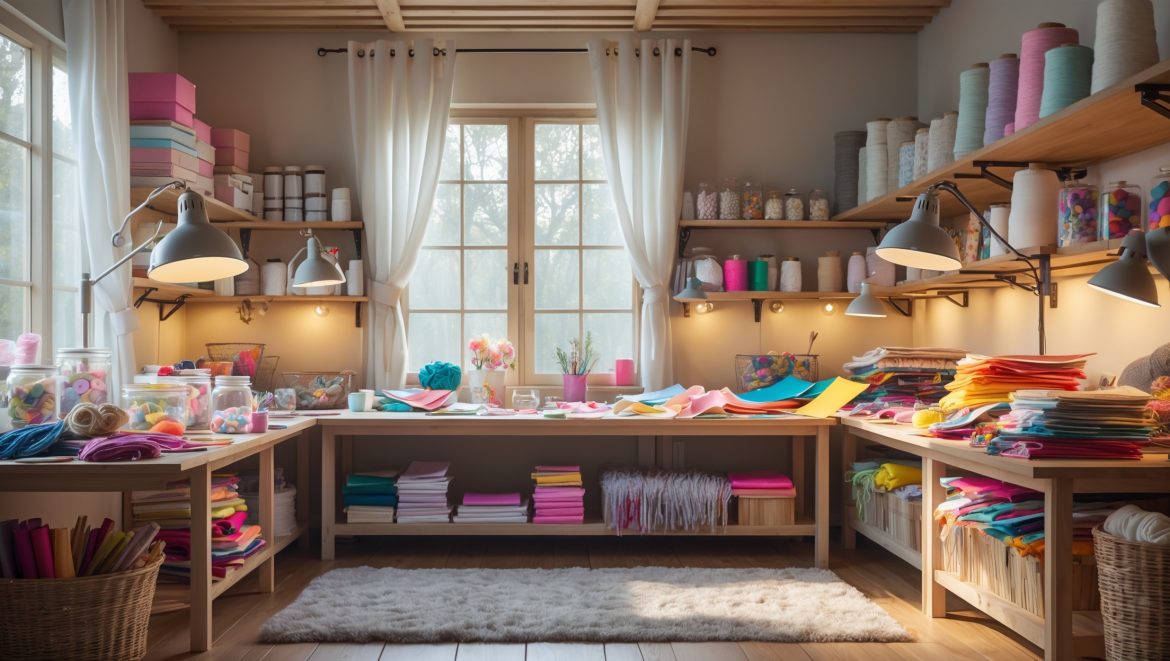
Introduction: Why Lighting Matters in Your DIY Craft Studio
Have you ever squinted over a delicate project, struggled to match colors, or battled with headaches after a marathon crafting session? The culprit is often overlooked: your studio lighting. Thoughtful lighting design doesn’t just make your space look good—it directly impacts your comfort, safety, productivity, and the quality of your finished creations. Whether you’re a quilter, woodworker, jewelry maker, or mixed-media artist, the right combination of task, ambient, and accent lighting is essential. Yet, many DIYers settle for a harsh overhead bulb or a single desk lamp, missing out on the creative potential that a layered lighting approach can unlock. In this comprehensive guide, we’ll break down the three core types of craft studio lighting, explore affordable and advanced solutions for each, and walk you through practical installation tips, product recommendations, and troubleshooting for common pitfalls. By the end, you’ll know exactly how to illuminate every corner of your creative haven—no matter your budget or skill level.
Understanding Lighting Layers: The Foundation of a Well-Lit Craft Studio
What Are Task, Ambient, and Accent Lighting?
- Task Lighting: Focused, bright light for detailed workstations—think sewing machines, cutting mats, or painting tables.
- Ambient Lighting: General illumination that fills the space and reduces harsh shadows, preventing eye strain and creating a welcoming environment.
- Accent Lighting: Decorative or highlight lighting used to spotlight artwork, storage displays, or architectural features—adding personality and inspiration.
Effective craft studios combine all three layers, allowing you to customize your environment for comfort, efficiency, and creativity.
Task Lighting: Precision Where You Need It Most
Identifying Your Task Zones
Start by mapping your primary work areas. These might include:
- Workbenches or cutting tables
- Sewing or knitting stations
- Painting or drawing desks
- Tool stations (e.g., jewelry making, model building)
Each zone will benefit from its own dedicated task lighting.
Types of Task Lighting Fixtures
- Clamp Lamps: Flexible, affordable, and easy to reposition as your project changes. Look for models with adjustable arms and swivel heads.
- LED Desk Lamps: Energy-efficient, cool-to-the-touch, and available with dimming and color temperature controls.
- Magnifier Lamps: Perfect for ultra-detailed work—combine magnification with shadow-free illumination.
- Under-Shelf LED Bars: Mount beneath cabinets or open shelving to directly illuminate work surfaces without taking up desk space.
Choosing the Right Bulb: Brightness and Color Temperature
- Lumens: For task lighting, aim for 450–800 lumens per fixture (higher for large workbenches).
- Color Temperature: 4000K–5000K “cool white” mimics daylight, providing clarity for color matching and detail work.
- CRI (Color Rendering Index): A CRI of 90+ ensures true-to-life color accuracy—vital for painting, quilting, and design.
DIY Installation Tips
- Use adhesive LED strips for quick, tool-free under-shelf lighting.
- Add extension cords with built-in switches for easy lamp control.
- Secure cords with cable clips or covers to prevent tripping hazards.
- Test placement at night and during the day to ensure consistent lighting.
Ambient Lighting: Creating a Comfortable, Even Glow
Common Ambient Lighting Options
- Overhead LED Fixtures: Modern LED panels or flush-mount ceiling lights provide broad, even illumination and are energy efficient.
- Track Lighting: Adjustable heads allow you to direct light where needed and adapt as your studio evolves.
- Floor Lamps: Tall lamps with diffusers can fill dark corners and supplement ceiling lighting—ideal for renters or temporary setups.
- Smart Bulbs: Wi-Fi or Bluetooth bulbs let you adjust brightness, color temperature, and schedules from your phone.
Budget-Friendly Ambient Solutions
- Install plug-in pendant lights using ceiling hooks—no electrician needed.
- Use multiple inexpensive paper lanterns for a soft, diffuse glow.
- Repurpose string lights inside translucent bins or behind frosted panels for DIY diffused lighting.
Design Considerations
- Layer ambient sources to avoid shadows—combine ceiling lights with wall sconces or floor lamps.
- Choose dimmable fixtures for flexible mood control and energy savings.
- Warm white (2700K–3500K) creates a cozy atmosphere for social crafting or relaxation zones.
Accent Lighting: Adding Inspiration and Visual Interest
Where to Use Accent Lighting
- Highlighting finished artwork or craft displays
- Showcasing unique storage solutions or colorful material bins
- Illuminating architectural features, like exposed beams or alcoves
- Creating a visual boundary between different zones (e.g., work and relaxation areas)
Accent Lighting Ideas for Craft Studios
- LED Strip Lights: Apply along shelves, under cabinets, or behind pegboards for a pop of color or subtle glow.
- Puck Lights: Small, battery-powered spotlights can be tucked inside display cases or mounted under shelves.
- Up-lighting: Place small uplights behind plants, tools, or artwork for dramatic shadow effects.
- Color-Changing LEDs: Use RGB strips or bulbs to set a mood or celebrate seasonal themes.
DIY Accent Lighting Projects
- Use adhesive-backed LED tape to outline a feature wall with a creative pattern.
- Install battery-operated fairy lights in glass jars for instant, movable accent lighting.
- Repurpose old glass bottles as DIY lamp bases—just add a LED puck on top.
Lighting for Specific Mediums and Techniques
Sewing and Fiber Arts
- Opt for daylight-balanced LED desk lamps with magnifiers for threading needles and reading patterns.
- Install under-cabinet lighting above sewing machines to prevent hand shadows.
Painting and Drawing
- Use high-CRI, neutral-white (4500K) light sources for accurate color mixing.
- Position adjustable task lamps at a 45-degree angle to minimize glare on glossy surfaces.
Woodworking and Model Building
- Prioritize bright, shadow-free task lighting at cutting and assembly benches.
- Add under-shelf lighting above tool racks for clear visibility and safety.
Jewelry Making and Miniatures
- Magnifier lamps with built-in LEDs are essential for fine detail.
- Consider small, focused spotlights for soldering stations.
Smart Lighting and Automation for Modern Craft Studios
Benefits of Smart Lighting
- Set scenes for different crafts or times of day (e.g., “focus mode,” “relax mode”)
- Schedule lights to turn on before you enter your studio
- Control brightness and color from your smartphone or voice assistant
Popular Smart Lighting Products
- Philips Hue and LIFX bulbs for adjustable color and scheduling
- TP-Link Kasa Smart Plugs to automate traditional lamps
- Govee or Wyze smart LED strips for creative accent lighting
DIY Automation Tips
- Use motion sensors to trigger lights when you enter your studio with both hands full
- Integrate smart switches for old fixtures without replacing them
- Group lights into “zones” for easy one-touch control
Cost Breakdown: Lighting Upgrades for Every Budget
Entry-Level (Under $100)
- Basic clamp lamps with LED bulbs ($20–$40 each)
- Adhesive-backed LED strips ($15–$30 per roll)
- Paper lanterns or plug-in pendants ($10–$20 each)
Mid-Range ($100–$300)
- High-CRI LED desk lamps with dimming ($50–$80 each)
- Under-cabinet lighting kits ($40–$100)
- Track lighting starter kits ($60–$120)
- Smart bulbs or plugs ($15–$40 each)
Premium ($300+)
- Custom LED panel installations ($200+ per panel)
- Voice-activated lighting systems ($150+ for hub and bulbs)
- Architectural accent lighting (varies, $200+ for pro installs)
Lighting Safety and Maintenance Best Practices
- Choose LED fixtures over incandescents to reduce heat buildup (and fire risk)
- Ensure all outlets and cords are rated for your lighting load
- Secure cords away from walkways and water sources
- Dust lamps and fixtures monthly for maximum brightness and hygiene
- Replace flickering bulbs promptly to prevent eye strain
- For permanent wiring upgrades, consult a licensed electrician
Troubleshooting Common Studio Lighting Problems
Problem: Colors Look Wrong or Washed Out
- Upgrade to high-CRI bulbs (90+ rating) and daylight-balanced color temperature (4000–5000K)
- Minimize mixing of warm and cool bulbs in the same workspace
Problem: Shadows on Work Surface
- Add side lighting or under-shelf LEDs to fill in dark spots
- Position lamps opposite your dominant hand to reduce self-casting shadows
Problem: Glare or Reflections
- Use diffusers or frosted bulbs
- Angle lamps at 45 degrees rather than directly overhead
Planning and Installing Your Ideal Craft Studio Lighting
Step 1: Map Your Space
Sketch your studio layout and mark each activity zone. Note existing outlets, windows, and potential mounting points.
Step 2: Select Lighting for Each Layer
- Assign at least one task light for each workstation
- Plan ambient fixtures to cover the entire room (overhead, wall, or floor)
- Identify areas for accent lighting to personalize your space
Step 3: Calculate Wattage and Placement
- Total your lighting wattage to ensure you don’t overload circuits
- Use adjustable fixtures where flexibility is needed
- Test placements with temporary setups before permanent installs
Step 4: Install, Test, and Adjust
- Install fixtures according to manufacturer instructions
- Test lighting at different times of day
- Adjust angles, heights, and bulb types as needed
Conclusion: Illuminating Your Creative Potential
Investing in your craft studio’s lighting is one of the smartest upgrades you can make—not just for aesthetics, but for the way it transforms your creative process. With the right mix of task, ambient, and accent lighting, you’ll see your projects in a whole new light—literally. Clear, comfortable task lighting means less eye strain and more precision. Layered ambient light ensures long crafting sessions remain cozy and inviting. Accent lights add flair and inspiration, turning your workspace into a true creative haven. Best of all, today’s lighting solutions cater to every budget and skill level, from simple plug-and-play lamps to sophisticated smart setups. Take time to map your zones, experiment with placement, and don’t be afraid to mix and match fixtures until your studio feels just right. Remember: great lighting is not a luxury for artists and makers—it’s an essential tool, as important as your favorite brush, needle, or saw. Illuminate your space, and you’ll illuminate your ideas. Happy crafting!

Could you explain how to balance the amount of ambient lighting so that it reduces shadows but doesn’t wash out the colors in my craft work?
To balance ambient lighting, aim for soft, evenly distributed light using diffusers like frosted bulbs, lampshades, or sheer curtains. Position lights so they fill the room without pointing directly at your workspace. This helps reduce harsh shadows but keeps colors true. You can also use dimmers to fine-tune the brightness if needed.
I noticed the article mentions troubleshooting common pitfalls with craft studio lighting. In your experience, what are the most frequent mistakes people make when layering task, ambient, and accent lighting, and how can they best be avoided?
One of the most common mistakes is relying too heavily on one type of lighting—like just overhead ambient light—while neglecting task or accent lighting. This often leads to uneven illumination and eye strain. To avoid this, balance your setup: use focused task lights for your work area, layer in ambient sources for general brightness, and add accent lights to highlight details or create mood. Also, watch out for glare and shadows by positioning lights carefully.
What kind of troubleshooting tips do you suggest if I notice headaches even after setting up the recommended lighting layers in my studio?
If you’re still experiencing headaches, try adjusting the brightness and color temperature—lights that are too harsh or cool can cause discomfort. Make sure you’re not getting glare or direct light in your eyes. Take regular breaks, and consider using diffusers or repositioning lamps to soften the light. Also, check if you might be sensitive to flicker from certain types of bulbs.
How much time and effort should I expect to spend setting up a basic layered lighting system in a medium-sized studio if I’m on a tight schedule?
For a medium-sized studio, setting up a basic layered lighting system usually takes about 2 to 4 hours if you’re sticking to simple task, ambient, and accent lights. If you’re using ready-made fixtures and basic mounting methods, the effort is minimal and can be managed in one afternoon, even with a tight schedule.
How much of a difference does switching from a single overhead bulb to layered lighting make in terms of reducing eye strain or matching colors accurately, especially for textile crafts?
Switching from a single overhead bulb to layered lighting makes a significant difference for textile crafts. Layered lighting reduces eye strain by balancing brightness and minimizing shadows. Task lighting helps you see fine details, while proper ambient and accent lights allow for more accurate color matching, which is especially important when working with fabrics.
What troubleshooting steps do you suggest if I’m still experiencing eye strain even after adding both task and ambient lighting based on your guide?
If you’re still experiencing eye strain after improving task and ambient lighting, try adjusting the brightness and color temperature of your lights—softer, warmer light can help. Ensure your lighting is evenly distributed, minimize glare by repositioning lights, and take regular breaks to rest your eyes. Also, check that your workspace isn’t too dim or overly bright compared to your screen or work surface.
Are there particular types of bulbs or fixtures you recommend for reducing eye strain, especially if I work late into the night? Sometimes even ambient lighting feels too harsh in my space.
To reduce eye strain during late-night crafting, look for LED bulbs with a color temperature around 4000K to 5000K—these offer a soft, daylight-like quality without being too harsh. Fixtures with diffusers or frosted covers help scatter the light more evenly, and using dimmable lights lets you adjust brightness to your comfort level.
You suggested using accent lighting to spotlight artwork or storage, but what are some practical and affordable options for installing accent lights if I don’t have experience with electrical work?
You can try battery-operated LED puck lights or light strips, which are very user-friendly and require no wiring. These usually come with adhesive backing or mounting brackets, and many have remote controls or touch activation. They’re ideal for highlighting shelves, artwork, or storage areas without any electrical expertise needed.
Could you share more about the installation process for accent lighting, especially if a space doesn’t have a lot of architectural features to highlight?
Accent lighting can still add interest even without standout architectural features. Try installing LED strip lights under shelves or around work tables to define areas. Clip-on spotlights or puck lights can highlight artwork or supplies. Most accent lighting options are plug-and-play, so you’ll just need to position, secure with adhesive or mounting hardware, and plug them in—no special wiring required.
If my crafting projects move frequently between stations, would you suggest portable lighting solutions or fixed lighting for task zones? Are there specific products that balance flexibility and brightness well?
Since your crafting projects move between stations, portable lighting is a great choice for flexibility. Look for adjustable LED desk lamps or rechargeable clip-on lights, which are lightweight and easy to move. Some models offer dimming and color temperature controls, giving you both brightness and adaptability wherever you need it.
Do you have advice on what kind of bulbs are best to prevent color distortion while working? Sometimes my paint colors look totally different under my current lighting.
For the most accurate color rendering, look for bulbs labeled as ‘daylight’ or with a color temperature around 5000K. Choose bulbs with a high CRI (Color Rendering Index), ideally 90 or above, to minimize color distortion. LED bulbs with these specs are energy-efficient and help ensure your paint colors look true while you work.
What are your favorite affordable solutions for accent lighting that can still make a big impact visually? I’d like to highlight some wall displays but can’t invest in pricey track lights right now.
Clip-on LED spotlights and battery-powered puck lights are both great options for accent lighting on a budget. You can mount puck lights directly above or below your displays, and clip-on spotlights can be attached to shelves or furniture to direct light exactly where you want it. Both types are inexpensive, easy to install, and make your wall displays stand out.