
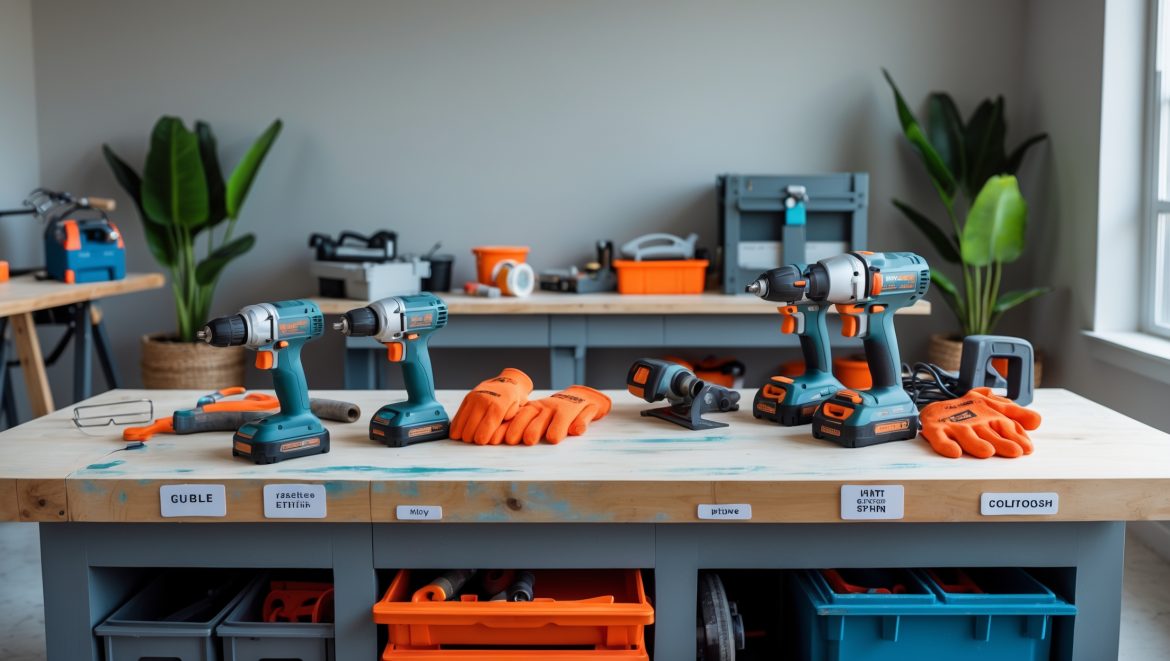
Introduction: Why Power Tool Safety is Non-Negotiable in DIY Craft Studios
Setting up a DIY craft studio is a thrilling journey. You get to design a space for creativity, productivity, and the joy of making things by hand. But with the empowerment of tools—especially power tools—comes a serious responsibility: safety. Whether you’re a seasoned crafter or just starting to upgrade your studio, it’s easy to underestimate the risks associated with common power tools like drills, rotary cutters, sanders, or scroll saws. Accidents can happen in a split second, and the consequences can range from minor cuts to life-altering injuries. A proactive approach to safety not only protects you but also ensures that your creative momentum is never interrupted by preventable mishaps.
This comprehensive guide offers a practical, proactive checklist tailored for DIY craft studio owners. You’ll find expert advice on workspace setup, tool inspection, personal protective equipment (PPE), safe operation practices, and maintenance routines—all designed to keep your creative environment as safe as it is inspiring. Let’s demystify power tool safety and make it second nature, so you can focus on what you do best: creating!
Understanding Power Tool Risks: What Every Crafter Should Know
Common Hazards in Craft Studios
Power tools are indispensable for serious craft projects, but each tool introduces potential risks:
- Rotating blades and bits: Can cause lacerations, amputations, or entanglement injuries.
- Kickback: Sudden tool movement can result in loss of control.
- Flying debris: Sparks, wood chips, or shavings can injure eyes and skin.
- Noise: Prolonged exposure can cause hearing loss.
- Dust: Inhalation may lead to respiratory issues.
- Electrical hazards: Faulty wiring or damaged cords can cause shocks or fires.
Why Studio Safety Is Unique
Unlike commercial workshops, DIY craft studios often share space with other household activities or family members. This increases the importance of vigilance, especially when children or pets might wander in. Additionally, tight spaces and multi-purpose surfaces can increase trip hazards or make tool storage less secure.
Setting Up a Safe Power Tool Workspace
1. Dedicated Tool Zones
Designate specific areas for power tool use, away from high-traffic zones or flammable materials. Ensure at least three feet of clearance around each tool, especially for stationary machines like drill presses or scroll saws.
2. Stable, Level Work Surfaces
Wobbly tables lead to unstable tools and unpredictable cuts. Invest in a solid, level workbench. Use anti-slip mats or clamps to secure smaller tools or portable machines.
3. Adequate Lighting
Install bright, shadow-free lighting directly above your work areas. Task lights with adjustable arms enhance visibility for intricate work and help you spot potential hazards before they become dangerous.
4. Clear Walkways and Emergency Access
Keep all pathways free of clutter, cords, and loose materials. Maintain direct access to exits and ensure fire extinguishers are visible and reachable.
5. Proper Ventilation
Power tools generate dust and fumes. Use exhaust fans, open windows, or air purifiers rated for workshop use. For heavy-duty sanding or solvent use, consider a dedicated extraction system.
Pre-Use Power Tool Safety Checklist
Before powering up any tool, run through this essential checklist:
- Inspect the tool for visible damage: Check housings, cords, switches, and guards. Never use a tool with frayed cords, cracked cases, or missing safety guards.
- Check for loose parts: Tighten all screws, nuts, and blades or bits before use.
- Test the safety features: Ensure blade guards, emergency stops, and lock-off buttons function correctly.
- Assess the work area: Remove unnecessary items, mop up spills, and secure any loose clothing or jewelry.
- Verify proper PPE is available and in good condition: This includes safety goggles, ear protection, dust masks, and gloves as appropriate.
Personal Protective Equipment (PPE): What You Really Need
Eye Protection
Always wear ANSI-rated safety goggles or glasses when operating power tools. For tools that generate significant debris, opt for wrap-around, anti-fog models.
Hearing Protection
Even small craft tools can damage hearing over time. Use earmuffs or foam earplugs, especially with sanders, routers, or saws.
Respiratory Protection
Use N95 or better dust masks when sanding, cutting, or working with materials like MDF or resin. For fine dust or chemical fumes, consider a half-mask respirator with replaceable cartridges.
Hand Protection
Wear snug-fitting, cut-resistant gloves for setup and cleanup, but avoid gloves when operating rotating machinery to prevent entanglement.
Footwear
Closed-toe shoes are non-negotiable. For heavy-duty work, steel-toe shoes provide added protection from dropped tools or materials.
Power Tool Operation Best Practices
Read the Manual—Every Time
Each tool has unique quirks and safety instructions. Keep manuals handy in a binder or digital folder. Review them when adding new tools or changing accessories.
One Tool, One Task
Operate one power tool at a time. Don’t multitask or leave tools running unattended, even briefly.
Use the Right Tool for the Job
Don’t force a tool to do something it wasn’t designed for. Using an inappropriate blade, bit, or speed setting increases risk and damages your equipment.
Secure Your Workpiece
Always clamp or otherwise secure materials before cutting, drilling, or sanding. Hand-holding workpieces is a leading cause of slips and injuries.
Maintain a Balanced Stance
Stand with feet shoulder-width apart. Avoid overreaching or twisting, which can reduce control and stability.
Stay Focused
Never operate power tools when tired, distracted, or under the influence of alcohol or medication that impairs judgment.
Safe Storage and Handling of Power Tools
Unplug and Store After Use
Always unplug tools before changing accessories, cleaning, or storing them. Coil cords neatly and store tools in dry, designated cabinets or wall racks.
Blade and Bit Safety
Use blade guards and covers when storing sharp tools. Keep bits and blades organized in labeled containers, away from children or pets.
Battery and Charger Safety
For cordless tools, use only manufacturer-approved chargers. Store batteries at room temperature and avoid overcharging, which can lead to overheating or fire.
Routine Maintenance: Preventing Accidents Before They Happen
Regular Cleaning
Dust buildup can clog vents and moving parts, increasing the risk of overheating or malfunction. Wipe down tools after each use and periodically blow out vents with compressed air.
Sharpening and Lubrication
Dull blades and bits require more force, increasing the chance of slips. Sharpen or replace as needed, and lubricate moving parts according to the manufacturer’s guidelines.
Electrical Safety Checks
Inspect cords for wear, replace damaged plugs, and never use extension cords as a permanent solution. Install ground fault circuit interrupters (GFCIs) in all studio outlets for extra protection.
Emergency Preparedness in the Craft Studio
First Aid Kit
Maintain a fully stocked first aid kit within arm’s reach. Include bandages, antiseptic wipes, burn cream, and a finger tourniquet or wound dressing for serious cuts.
Fire Safety Tools
Place a fire extinguisher rated for electrical and chemical fires near the exit. Consider a fire blanket for quick smothering of small blazes.
Emergency Contacts and Procedures
Post emergency phone numbers and address information in a visible location. Make sure everyone using the studio knows how to turn off the main power and where to find first aid supplies.
Teaching and Sharing Your Studio: Keeping Others Safe
Child and Pet Safety
Install childproof locks on tool cabinets. When sharing your space, establish clear rules: no unsupervised access, no running, and always use PPE.
Studio Visitor Orientation
If you host workshops or collaborate, give a brief safety orientation before allowing others to use power tools. Demonstrate safe operation and make sure everyone understands the studio rules.
Power Tool Safety Audit: A Proactive Annual Routine
At least once a year, conduct a full safety audit of your studio. Use a checklist to review:
- Condition and maintenance logs for all power tools
- PPE availability and usability
- Electrical system integrity
- Emergency equipment (first aid, extinguishers, signage)
- Studio organization and storage
Document issues found and set deadlines for fixes. Treat this audit as a non-negotiable part of your creative business or hobby routine.
Conclusion: Make Safety a Creative Habit
Crafting is about more than just making beautiful things—it’s about sustaining the creative process for years to come. A single lapse in power tool safety can have lasting consequences, but with the right mindset and reliable routines, you can make accidents exceedingly rare in your studio. By following the proactive checklist outlined here—covering workspace setup, pre-use inspection, PPE, safe operation, maintenance, and emergency preparedness—you’re not just ticking boxes; you’re building habits that protect your hands, your time, and your creative future.
Remember, safe crafting doesn’t mean slowing down your creativity. It means eliminating the anxiety that comes from preventable risks, so you can focus fully on your projects. As you grow your skills and expand your studio, revisit and update your safety practices. Share these best practices with fellow crafters, family, or anyone who enters your creative space. In doing so, you’ll foster a studio culture where safety and creativity are inseparable—and your passion for making can thrive, uninterrupted, for years to come.


If I’m setting up a new studio and want to implement these safety measures, how much time should I realistically plan for initial setup, including workspace arrangement and establishing regular maintenance checks?
For a new studio, you should plan about two full days for the initial setup. This covers arranging your workspace for safety, organizing tools, posting safety reminders, and conducting thorough tool checks. Setting up a simple maintenance schedule and checklists will take an extra hour or two, but regular checks afterward should only take 10–15 minutes each week.
I’m interested in ways to separate my studio from household areas to keep my family safe. Do you have suggestions for affordable barriers or storage solutions that prevent kids from accessing power tools?
To keep your studio safely separated, consider using lockable storage cabinets for your power tools and installing a sturdy baby gate or room divider at the entrance to your workspace. You can also use door knob covers or simple door locks if your studio has a separate door. These are all affordable ways to prevent kids from accessing tools.
I see you mentioned how dust from power tools can cause respiratory issues. Do you recommend any specific types of air filtration systems or dust masks that are effective and fit well in a small home craft studio?
For a small home craft studio, a portable HEPA air filtration unit is a solid choice because it can effectively capture fine dust particles. When it comes to dust masks, look for N95 or P100-rated respirators, as they filter out most airborne particles and fit snugly. Make sure the mask forms a good seal around your nose and mouth for best protection.
Could you recommend specific types of personal protective equipment that are most effective for handling common tools like rotary cutters and sanders in a home studio?
For rotary cutters, cut-resistant gloves are very helpful to protect your hands. When using sanders, a good dust mask or respirator will prevent inhalation of fine particles, and safety goggles will keep dust out of your eyes. Hearing protection, like earplugs or earmuffs, is also useful if your tools are loud. Always make sure your protective gear fits comfortably and is suitable for the specific tools you use.
The article lists kickback as a common risk, but I’ve mostly heard about that with table saws. Does kickback happen with smaller tools in craft studios, and if so, how do you prevent it?
Kickback can occur with smaller tools like handheld circular saws, routers, and even jigsaws, not just table saws. It usually happens if the tool binds or pinches in the material. To prevent kickback, always keep blades sharp, use the correct blade for the material, maintain a firm grip, and ensure your workpiece is secure before cutting.
I’m interested in creating a maintenance routine for my power tools as outlined in your checklist. How often should I be inspecting and servicing different tools like drills versus sanders to prevent issues?
For a solid maintenance routine, inspect drills and sanders before each use for obvious damage or loose parts. Perform a more thorough cleaning and checkup (like lubricating moving parts and checking cords) monthly if you use them frequently. For occasional use, service them every few months. Always follow the manufacturer’s guidelines for specific maintenance intervals and needs.
Since my craft studio shares space with my laundry room, how can I keep my family safe from the risks you mentioned, like flying debris or entanglement? Is there a recommended way to separate the workspace or store tools?
To keep your family safe, consider setting up a physical barrier like a folding screen or heavy curtain between your craft and laundry areas when power tools are in use. Always unplug and securely store tools after each session, preferably in locked cabinets or on high shelves, to prevent accidental access. Keeping your workspace tidy and tools out of reach is key for shared spaces.
If I’m upgrading from hand tools to power tools, are there any crucial safe operation habits you recommend focusing on first to avoid accidents as I adjust to the new equipment?
When moving to power tools, always unplug or remove batteries before changing blades or bits, and double-check tool settings before use. Wear proper safety gear, keep your workspace clear, and never bypass tool guards. Start each operation slowly to get a feel for the tool’s behavior, and never rush the process. These habits will help minimize risks as you build confidence.
You mention that kickback is a big risk with power tools in a craft studio. Are there specific tools or situations where kickback is more likely, and what should I do to minimize the chances of it happening?
Kickback is especially common with table saws, circular saws, and routers when cutting wood, especially if the material binds, twists, or gets pinched by the blade. To minimize kickback, always use sharp blades, keep your hands clear of the blade path, use push sticks or guides, and avoid forcing material through the tool. Also, make sure your workpiece is properly supported and never stand directly behind the cutting path.
I noticed your checklist emphasizes personal protective equipment, but I’m not sure which PPE is most essential for someone mainly using rotary cutters and sanders in a small space. Could you clarify which items are non-negotiable for those specific tools?
For rotary cutters and sanders in a small space, non-negotiable PPE includes safety glasses or goggles to protect your eyes from flying debris, a dust mask or respirator to avoid inhaling fine particles, and hearing protection if the tools are loud. Wearing snug-fitting gloves can also help prevent accidental cuts, but only if the manufacturer recommends them for your specific tool.
When setting up a workspace, how important is dedicated ventilation for controlling dust compared to just using a shop vacuum or open windows?
Dedicated ventilation is much more effective at controlling fine dust than just using a shop vacuum or opening windows. While vacuums can capture larger debris and open windows help with airflow, a dedicated ventilation system actively removes airborne dust, which protects your lungs and keeps the workspace cleaner. It’s especially important if you’re working with materials that create a lot of fine particles.
You mentioned that craft studios often share space with other family activities. Do you have tips for keeping kids safe around power tools, especially when you can’t always supervise every minute?
To keep kids safe around power tools, always unplug and store tools out of reach when not in use. Use locked cabinets or toolboxes if possible. Set clear boundaries, like taping off work areas or using baby gates. Teach children that power tools are not toys and explain the dangers in age-appropriate ways.
Since DIY studios often double as family spaces, do you have suggestions for organizing or storing power tools so they’re both easily accessible and secured away from kids’ reach?
Absolutely, you can use lockable cabinets or wall-mounted tool chests to keep power tools accessible for adults but out of children’s reach. Another option is high shelves that are difficult for kids to climb. Always unplug tools after use and consider using safety locks on tool cases for added peace of mind.
You list several power tool hazards, like kickback and flying debris. Are there specific types of personal protective equipment you recommend for particularly messy or high-risk tools, such as scroll saws or rotary cutters?
For high-risk tools like scroll saws and rotary cutters, it’s wise to wear safety goggles to protect your eyes from flying debris, hearing protection if noise is an issue, and a dust mask or respirator for fine particles. Snug-fitting clothing and cut-resistant gloves (if appropriate for the tool) also help minimize injury risks.
You mentioned that power tools can cause respiratory issues from dust. Are there specific types of air filters or masks that work best in a small craft studio?
For a small craft studio, using a respirator mask rated N95 or higher is recommended to filter out fine dust particles. Additionally, a portable HEPA air purifier can help capture airborne dust in the room. Make sure to ventilate the space and clean filters regularly for best protection.