
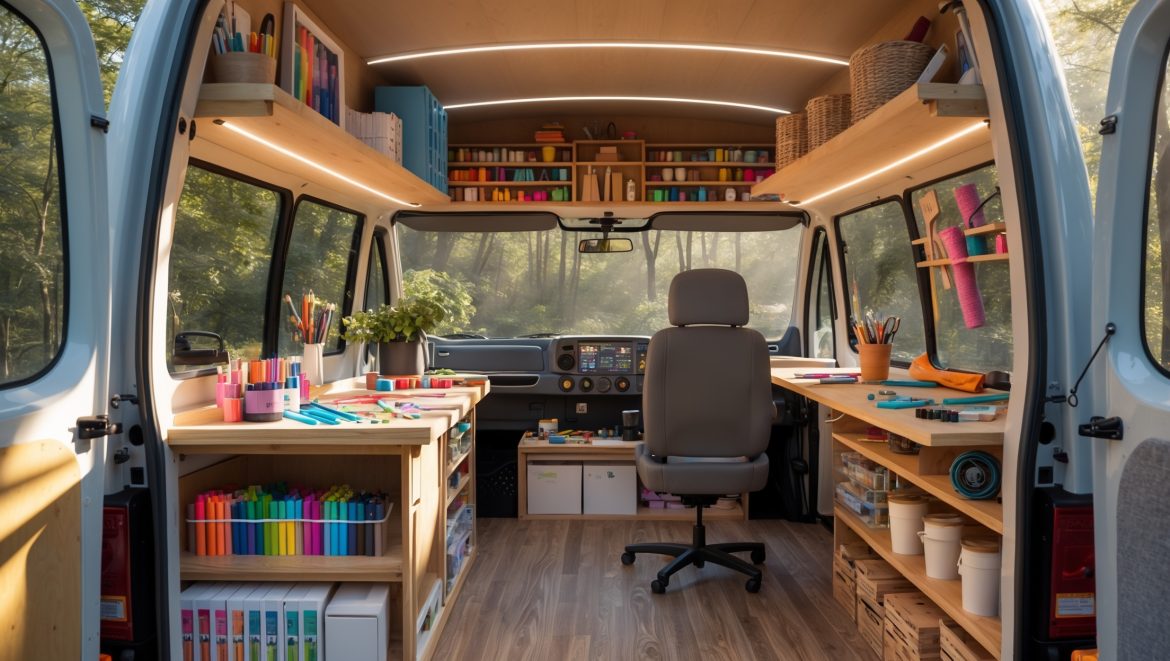
Introduction: Why Insuring Your Mobile Craft Workshop Is Essential
Turning your passion for DIY and crafts into a mobile business is an exciting leap—imagine driving your studio from one creative event to the next, bringing inspiration directly to markets, festivals, and private workshops. Yet, while the freedom and flexibility of a mobile craft workshop are undeniable, so too are the risks. From accidental damage to theft, liability for injuries, or even a fender bender en route to your next event, the road can be unpredictable. Insurance is not just a bureaucratic box to check—it’s your safety net, protecting your investment, your business, and your peace of mind.
Many crafters underestimate the complexities of insuring a mobile setup, expecting that standard auto or home policies will suffice. In reality, mobile craft workshops have unique exposures that require specialized coverage. Whether you’ve outfitted a cargo van with custom shelving, built a trailer-based studio, or operate from a converted bus, understanding your insurance needs is as important as choosing the right glue gun or organizing your beads.
This guide offers a comprehensive, step-by-step look at insuring your mobile craft workshop. We’ll break down the different types of coverage, clarify what’s included (and what isn’t), and share practical advice for navigating the claims process. By the end, you’ll have a clear roadmap for safeguarding your creative business on wheels—so you can focus on what you do best: making, teaching, and inspiring.
Understanding the Risks Unique to Mobile Craft Workshops
Physical Damage and Theft
Unlike fixed-location studios, mobile workshops are exposed to a greater risk of physical damage. Road accidents, sudden weather events, or even vandalism can happen at any stop. The portable nature of your studio also makes it a tempting target for theft—both of the vehicle itself and the valuable tools and materials inside.
Liability Concerns
Hosting workshops on the go means interacting with the public in varied, sometimes unfamiliar environments. If a participant is injured during a craft class, or if you accidentally damage property at an event venue, you could be held liable. General liability insurance is crucial, but mobile operations may require additional riders or location-based adjustments.
Equipment and Inventory
Your tools, inventory, and finished products are the heart of your business. Damage from moisture, sudden stops, or even a spilled cup of paint can result in significant losses. Standard vehicle insurance rarely covers these business assets—dedicated equipment coverage is a must.
Business Interruption
If your mobile workshop is out of commission after an accident or theft, your income could take a hit. Business interruption coverage can help bridge the gap, covering lost revenue and fixed expenses while you get back on the road.
Types of Insurance Coverage to Consider
1. Commercial Auto Insurance
Personal auto policies almost never cover vehicles used for business purposes, especially those modified for workshops. Commercial auto insurance is non-negotiable for mobile craft studios. It covers collision, liability, and can be customized for specialized equipment. Be prepared to provide details about your vehicle’s modifications and its use for business operations.
2. Inland Marine Insurance
Despite the name, inland marine insurance has nothing to do with boats. It covers mobile property, including tools, supplies, and finished goods transported from location to location. This coverage is especially vital for crafters, as it protects against loss, theft, or damage to your inventory while in transit or at pop-up locations.
3. General Liability Insurance
This foundational policy covers bodily injury and property damage claims—essential when interacting with the public. For example, if a participant trips over a power cord during a workshop, general liability can cover medical costs and legal fees. Some event venues may require proof of liability coverage before allowing you to operate on site.
4. Product Liability Insurance
If you sell handmade items or craft kits from your mobile studio, this insurance protects you against claims related to defects or injuries caused by your products. Even the most careful maker can encounter issues with materials or assembly, so don’t overlook this coverage.
5. Business Owner’s Policy (BOP)
A BOP bundles general liability and property insurance, often at a lower cost than buying them separately. Some insurers allow you to add on mobile equipment and business interruption coverage, making this a comprehensive solution for many mobile craft entrepreneurs.
6. Workers’ Compensation Insurance
If you have employees or regular contractors helping in your mobile studio, workers’ comp is usually required by law. It covers medical expenses and lost wages due to job-related injuries or illnesses.
Evaluating Your Coverage Needs: A Step-By-Step Process
Step 1: Inventory Your Assets
- List all equipment, supplies, and finished products stored or used in your mobile studio.
- Include purchase value, current market value, and serial numbers for high-value items.
- Photograph your setup and keep digital records offsite.
Step 2: Assess Your Operations
- Document where your mobile studio travels—local, statewide, or beyond.
- Note how often you host public workshops, sell products, or attend high-traffic events.
- Identify all individuals who may drive or work inside the studio.
Step 3: Identify Your Exposure
- Consider the likelihood of theft—do you park overnight at events or in unsecured areas?
- Evaluate risks of fire, flood, or weather damage in the regions you frequent.
- Think about liability—how many people interact with your business at each stop?
Step 4: Consult an Insurance Specialist
Not all insurance agents have experience with mobile craft businesses. Seek out specialists who understand creative enterprises and mobile operations. Share your asset inventory and risk assessment for tailored advice. Ask about policy exclusions, deductibles, and limits—don’t assume standard packages will fit your needs.
Common Coverage Gaps and How to Avoid Them
Assuming Personal Policies Apply
Personal auto or homeowners insurance rarely covers business activities or property. Clarify with your insurer what is and isn’t protected—don’t risk a denied claim due to misclassification.
Undervaluing Equipment and Inventory
Replacement costs for specialized tools, cutting machines, or unique supplies can add up fast. Update your asset list regularly and adjust coverage as your business grows.
Overlooking Transit Exposures
Insurance needs don’t stop when the engine does. Make sure your policy covers loss or damage while driving, parked, or setting up at events. Ask about coverage for loading/unloading incidents.
Neglecting Event-Specific Requirements
Some festivals, fairs, or venues require specific insurance certificates or additional insured endorsements. Always confirm requirements well in advance and provide documentation as needed.
Real-World Scenarios: What Insurance Looks Like in Action
Case Study 1: Theft at a Craft Fair
Sarah operates a mobile jewelry studio from a converted box truck. One night, after a busy craft fair, thieves break a window and steal thousands of dollars in equipment and inventory. Because Sarah had inland marine insurance covering tools and products in transit and at temporary locations, her claim is processed quickly and she’s able to replace her essentials within weeks.
Case Study 2: Workshop Injury
During a hands-on papercraft class, a participant cuts themselves on an exposed blade. The injury requires stitches. Thanks to general liability insurance, Sarah’s business covers the medical costs and avoids a costly lawsuit.
Case Study 3: Weather-Related Damage
While parked at an outdoor festival, a sudden hailstorm cracks skylights and damages the studio’s electrical setup. With comprehensive commercial auto and property coverage, repairs are completed promptly, and business interruption insurance covers missed bookings during downtime.
Practical Tips for Choosing the Right Insurer and Policy
- Shop Around: Get quotes from multiple providers and compare not only premiums, but also exclusions and customer service reviews.
- Ask About Bundles: Some insurers offer discounts for packaging multiple policies, such as auto, liability, and equipment coverage.
- Read the Fine Print: Understand what triggers coverage and what documentation is required for claims.
- Review Annually: As your business evolves, so do your insurance needs. Schedule an annual policy review.
- Keep Records: Maintain digital backups of all policy documents, inventories, and receipts for smooth claims processing.
Frequently Asked Questions About Mobile Craft Workshop Insurance
Is insurance legally required to operate a mobile workshop?
Commercial auto insurance is required in most states if your vehicle is used for business. Liability insurance may be mandated by event organizers or jurisdictions. Even if not strictly required, coverage is highly recommended to avoid catastrophic losses.
Can I get insurance if my vehicle is self-built or heavily modified?
Yes, but you’ll need to provide detailed documentation and photos. Some insurers specialize in custom or unique vehicles—expect a more thorough underwriting process and possibly higher premiums.
What if I travel out of state?
Most commercial policies extend coverage across state lines, but always verify with your insurer. Some states have specific insurance requirements for mobile businesses.
How much coverage do I need?
Coverage amounts depend on the value of your vehicle, equipment, inventory, and business income. A specialist can help you tailor limits to your risk profile. Avoid underinsuring—replacement costs can quickly outpace expectations.
Does insurance cover business interruption due to illness?
Standard business interruption insurance typically covers only physical loss or damage. For illness-related interruptions, consider adding supplemental coverage or disability insurance.
Maintaining Your Coverage: Best Practices for Mobile Crafters
- Update Inventory Regularly: As you add or replace equipment, keep your insurer informed to ensure adequate coverage.
- Secure Your Studio: Install locks, alarms, and GPS trackers to deter theft—and possibly lower premiums.
- Document Incidents Promptly: If something goes wrong, take photos and write detailed descriptions as soon as possible.
- Communicate with Clients and Venues: Proactively provide insurance certificates when required and clarify any special requirements before events.
- Review Policy Annually: Schedule a yearly check-in with your agent to adjust coverage for new risks or changes in your business model.
Conclusion: Crafting with Confidence on the Open Road
Your mobile craft workshop is more than just a vehicle—it’s your creative sanctuary, your livelihood, and a beacon for the handmade movement. Protecting it with the right insurance isn’t just smart business; it’s a commitment to your craft, your community, and your own peace of mind. By understanding the unique risks of mobile operations, evaluating your assets and exposures, and partnering with an insurance specialist who understands your needs, you build a foundation that lets you focus on what matters most: sharing your creativity wherever the road may lead.
Remember, insurance is not a one-size-fits-all purchase. As your business evolves, so too do your coverage needs. Treat your insurance policy as a living document—review it annually, update it as your studio grows, and never hesitate to ask questions. The small investment of time and resources now can save you immeasurable stress and financial hardship later.
With the right protection in place, you’ll drive into every new event, pop-up, or workshop with confidence—ready to create, connect, and thrive. Let your passion be your guide, and let insurance be your safety net on the creative journey ahead.


