Introduction: Elevating Your DIY Craft Brand with Smart Marketing
Turning your passion for crafting into a thriving business is an exciting journey, but creating beautiful items is only half the battle. The real challenge lies in getting your handmade products noticed in a crowded, competitive marketplace. Many talented makers struggle to find buyers, not because their crafts lack quality, but because their marketing strategies fall short. The good news? You don’t need a massive budget or a marketing degree to successfully promote your work. Instead, you need a targeted approach designed for creative businesses like yours. In this guide, you’ll discover actionable, proven marketing strategies tailored for DIY crafters. You’ll learn how to define your brand, connect with your ideal customers, harness the power of storytelling, and make smart use of both digital and in-person tactics. Whether you’re just starting out or looking to take your handmade business to the next level, these insights will help you build genuine connections and grow your creative brand, step by practical step.
Defining Your Brand: Laying the Foundation for Success
What Sets You Apart?
Before you craft a single marketing message, nail down what makes your work unique. Ask yourself:
- What is your craft specialty? (e.g., upcycled jewelry, botanical prints, hand-carved wood décor)
- What values drive your work? (eco-friendly, whimsical, heirloom quality, etc.)
- What story does each piece tell?
Write a concise brand statement that captures your style, values, and mission. This clarity will guide all your marketing efforts and help you attract customers who resonate with your vision.
Crafting a Visual Identity
Your brand’s visual cues—colors, photography style, logo—should be consistent across all platforms. Use high-quality photos with good lighting and simple backgrounds to make your products shine. Consider creating a mood board to define your aesthetic and reference it when designing banners, packaging, and social media graphics.
Understanding Your Ideal Customer
Building a Customer Profile
Knowing your audience is essential. Ask these questions:
- Who typically buys your crafts? (Age, gender, interests, lifestyle)
- Where do they spend time online? (Instagram, Pinterest, Facebook, craft forums)
- What motivates their purchases? (Gift-giving, home décor, self-care, supporting local makers)
Use this profile to guide your marketing choices, from messaging to platform selection.
Storytelling: Sharing the Heart Behind Your Work
Handmade items are inherently personal. Invite customers into your creative process:
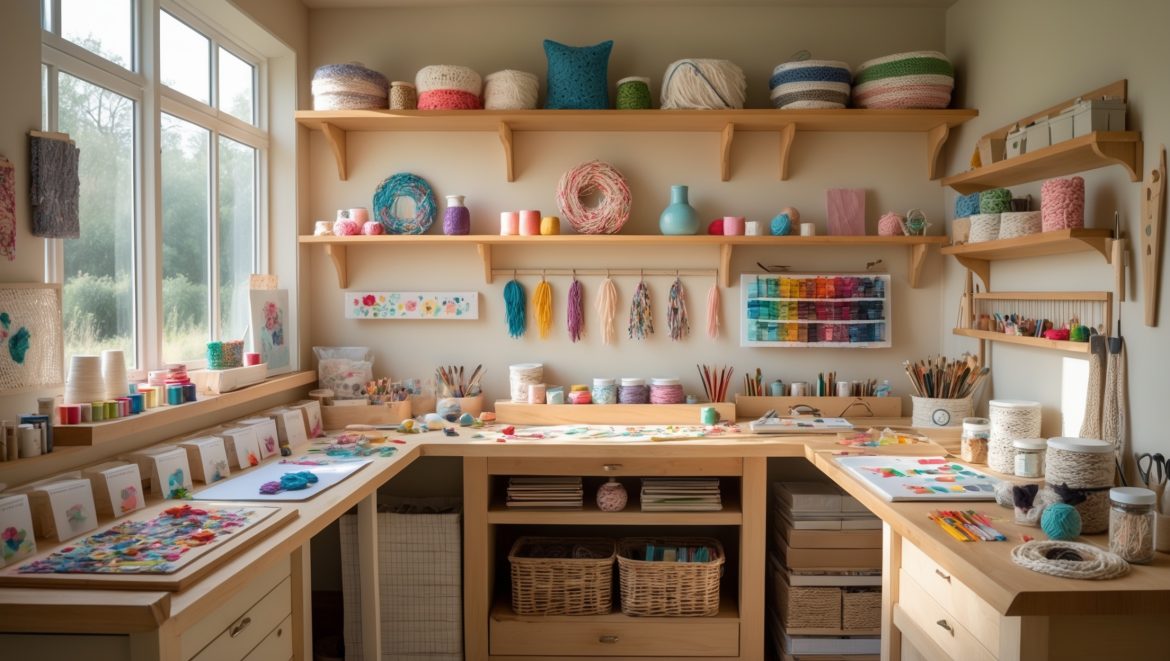
- Share behind-the-scenes photos or videos of your workspace, tools, and materials.
- Explain the inspiration behind new collections or individual pieces.
- Show works-in-progress to build anticipation and authenticity.
Write compelling product descriptions that highlight the story, craftsmanship, and intention behind each item. Remember: customers fall in love with the maker as much as the product.
Building Your Online Presence
Choosing the Right Platforms
Not all social media channels are created equal for crafters. Focus on:
- Instagram: Best for visual storytelling, process videos, and connecting with craft communities via hashtags.
- Pinterest: Great for driving traffic to your shop or blog, especially with how-to pins and styled product photography.
- Facebook: Useful for engaging with local buyers and sharing event info.
- Etsy or Shopify: Essential for e-commerce, with built-in audiences for handmade goods.
Optimizing Your Profiles
Make sure your profiles clearly communicate what you make, why it’s special, and how buyers can purchase. Use a consistent handle and link to your shop in every bio. Pin a post or story highlighting your best-selling items or signature style.
Content That Converts
Rotate through these content types to keep your audience engaged:
- Finished product showcases
- Step-by-step process reels or timelapses
- Customer testimonials and user-generated content
- Limited-edition launches or restock announcements
- Behind-the-scenes storytelling
Encourage interaction by asking questions, running polls, or inviting followers to vote on new designs.
Crafting an Email Marketing Strategy
Why Email Still Matters
Social media algorithms are unpredictable. Email puts you directly in your customer’s inbox, letting you nurture relationships and drive repeat sales.
Getting Started with a Simple Newsletter
- Choose an email service provider (Mailchimp, ConvertKit, or MailerLite are beginner-friendly).
- Offer an incentive for signups (exclusive discount, free printable, or first access to new collections).
- Send regular updates: new product releases, upcoming events, behind-the-scenes stories, and tips relevant to your craft niche.
Keep emails visually appealing and mobile-friendly. Personalize your messages whenever possible.
Pricing, Promotions, and Value Communication
Communicating Value Over Price
Handmade crafts are often priced higher than mass-produced alternatives. Be transparent about your process and materials. Create posts or blog articles explaining why your products cost what they do—highlighting time, skill, and quality. This builds appreciation and justifies your pricing.
Smart Promotions
- Run limited-time offers around holidays or special occasions.
- Bundle complementary products to increase average order value.
- Use “last chance” or “one-of-a-kind” messaging to create urgency.
Track which promotions drive the most sales, and don’t over-discount—protect your brand’s perceived value.
Leveraging Craft Fairs and Local Events
Choosing the Right Events
Not all markets are equal—research past vendor lists, customer demographics, and booth fees before committing. Prioritize events with a strong focus on handmade or unique items.
Maximizing Your Booth
- Invest in eye-catching, cohesive displays that reflect your brand.
- Bring plenty of business cards and sign-up sheets for your email list.
- Offer small, impulse-buy items for browsers not ready to invest in larger pieces.
- Have a clear pricing structure and accept multiple forms of payment (including mobile).
Follow up with new contacts after the event, thanking them and inviting them to shop online or join your newsletter.
Collaborations and Cross-Promotion
Partnering with Other Makers
Team up with complementary crafters for bundle deals, co-hosted giveaways, or pop-up events. This exposes your work to new audiences and builds community.
Working with Local Shops
Approach boutique retailers or gift shops about carrying your goods on consignment or wholesale. Prepare a professional portfolio, clear pricing, and a concise pitch outlining why your products fit their clientele.
User-Generated Content and Social Proof
Encouraging Customer Showcases
- Ask happy buyers to share photos of your products in use, tagging your handle.
- Create a branded hashtag for customers to use.
- Feature customer photos in your stories, feed, or website gallery (with permission).
Genuine reviews and real-world images build trust and inspire new shoppers to buy.
SEO for Crafters: Getting Found Online
Understanding Basic SEO
Even simple steps can make a big difference:
- Use keywords your shoppers are searching for in product titles and descriptions (e.g., “hand-dyed silk scarf,” “boho ceramic mug”).
- Fill out all fields in your online shop, including tags and categories.
- Write blog posts or how-to guides related to your craft—these attract people looking for inspiration and can lead them to your shop.
Optimizing Product Listings
Each product should have:
- A descriptive, keyword-rich title
- Multiple clear photos showing different angles and uses
- Detailed, benefits-focused descriptions
- Relevant tags and attributes (color, size, occasion, etc.)
Update listings regularly to stay relevant and improve search performance.
Analyzing and Adapting Your Marketing Approach
Tracking What Works
- Use built-in analytics tools on Etsy, Shopify, or your own website to monitor traffic and sales.
- Track engagement on social media posts (likes, comments, shares, saves).
- Monitor open and click rates for email campaigns.
Adjust your strategy based on what resonates most with your audience. Don’t be afraid to test new content types or promotional tactics.
Time Management for Solo Makers
Balancing Crafting and Marketing
Marketing can feel overwhelming if you try to do everything at once. Start small:
- Batch content creation—photograph several products at once or schedule a week’s worth of posts in advance.
- Automate emails and social posts with scheduling tools.
- Set aside a specific time each week for marketing tasks.
Remember, consistent, authentic effort beats sporadic, high-pressure campaigns every time.
Conclusion: Growing Your Handmade Business with Intention
Building a successful handmade craft business isn’t about copying big brands or chasing every new trend. It’s about understanding your unique voice, cultivating genuine relationships with your customers, and telling your story in a way that stands out. The strategies in this guide are designed to meet you where you are—whether you sell at craft fairs, online, or both. By focusing on your brand identity, leveraging the right platforms, and staying true to your values, you can attract buyers who genuinely value your work. Remember to keep learning, experimenting, and adapting. Every post, email, and conversation is an opportunity to connect and grow. Most importantly, let your passion and creativity shine through every aspect of your marketing. When you approach your business with authenticity and care, success follows naturally. Here’s to building a craft brand that’s as vibrant and original as the art you create!