

Introduction: Turning Craft Studio Dreams Into Realistic Budgets
Transforming a spare room, garage, or corner nook into a fully functional DIY craft studio is an exciting milestone for any maker. But while Pinterest boards and vision journals overflow with creative inspiration, the reality of building your studio comes with a crucial question: what will this actually cost? Whether you’re a weekend hobbyist or preparing to launch a small creative business, understanding every dollar involved is essential for a stress-free, sustainable setup. Too often, crafters plunge into studio projects fueled by enthusiasm, only to hit budget roadblocks, encounter hidden expenses, or struggle with half-finished spaces. This guide demystifies the entire financial journey of setting up a DIY craft studio—breaking down each major cost category, revealing common budget traps, and offering actionable tips to keep your creative vision on track (and on budget). From must-have tools and furniture to insurance, utilities, and contingency funds, you’ll find every essential item accounted for—plus expert strategies to save money without sacrificing quality or safety. Ready to turn your creative dreams into a practical, affordable reality? Let’s crunch the numbers together.
Assessing Your Craft Studio Needs: Setting the Foundation for Your Budget
Clarify Your Studio’s Purpose and Scale
Before you can estimate costs, clarify your studio’s intended use:
- Personal hobby space for occasional crafting
- Side-hustle workspace for selling items online
- Full-fledged home business with frequent production
Scale and purpose directly impact everything from tool selection to legal requirements, so write down your goals and frequency of use. This will keep your budget realistic and tailored to your actual needs.
Inventory What You Already Own
List all tools, supplies, furniture, and storage you already have. Take detailed photos and measurements. This inventory prevents unnecessary purchases and helps allocate funds for true essentials.
Key Cost Categories in Craft Studio Setup
Every DIY craft studio has unique requirements, but most budgets will include the following core categories:
- Work surfaces and furniture
- Storage solutions
- Tools and equipment
- Materials and starter supplies
- Lighting and electrical
- Decor and comfort features
- Safety and compliance
- Insurance and contingency
- Utilities and ongoing costs
Work Surfaces and Furniture
Average cost range: $100 – $800+
- Main worktable: Adjustable-height tables cost more but improve ergonomics and productivity. Budget options ($100–$200) vs. custom/build-it-yourself ($250+).
- Seating: Invest in a supportive, adjustable chair ($75–$250); avoid cheap folding chairs for long-term use.
- Auxiliary surfaces: Rolling carts ($50–$150), ironing boards, or cutting tables as needed.
Storage Solutions
Average cost range: $80 – $600+
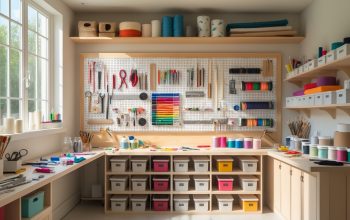
- Shelving units: Wall-mounted shelves maximize space ($30–$100 per unit).
- Drawer carts and bins: Clear plastic drawers ($20–$80 each), stackable bins ($5–$30 each).
- Specialty organizers: Thread racks, bead containers, pegboards ($15–$100).
- DIY options can cut costs; repurpose kitchen cabinets or thrift store finds.
Tools and Equipment
Average cost range: $150 – $1,200+
- Basic hand tools: Scissors, rotary cutters, rulers, glue guns ($50–$150).
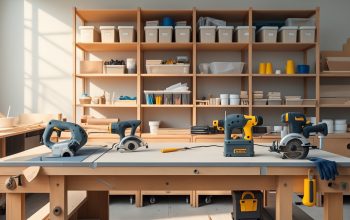
- Power tools: For woodworking, jewelry, or advanced crafts: drills, Dremels, heat guns ($70–$400).
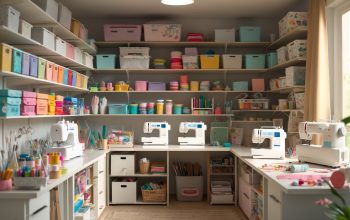
- Specialized machines: Sewing, die-cutting, or 3D printing machines ($150–$500+ each).
- Tool maintenance: Sharpeners, lubricants, cleaning supplies ($20–$50).
Materials and Starter Supplies
Average cost range: $50 – $500+
- Core consumables: Paper, fabrics, yarn, paints, adhesives ($30–$150 for initial stock).
- Specialty materials: Resin, specialty papers, rare beads, etc. ($20–$200+ depending on niche).
- Bulk buying: Often cheaper in the long run but requires higher upfront costs.
Lighting and Electrical
Average cost range: $40 – $400+
- Task lighting: LED desk lamps ($20–$80 each), clamp-on lights ($15–$40).
- Overhead lighting: Shop lights or daylight fixtures ($40–$120 per fixture).
- Extension cords and surge protectors: ($10–$40 each).
- Electrical upgrades (new circuits, outlets) may require an electrician; budget $150–$400 if needed.
Decor and Comfort Features
Average cost range: $30 – $300+
- Paint or wall treatments ($30–$100)
- Rugs or anti-fatigue mats ($25–$100 each)
- Plants, art prints, and inspiration boards ($10–$75)
- Small appliances: Mini fridge, fan, humidifier ($30–$150 as needed)
Safety and Compliance
Average cost range: $30 – $250+
- First aid kit ($15–$40)
- Fire extinguisher ($30–$60)
- Smoke/CO detectors ($20–$60)
- Protective gear: goggles, gloves, masks ($15–$50)
Insurance and Contingency
Average cost range: $0 – $350+/year
- Home insurance rider or small business policy (consult your insurer; $80–$350/year for basic coverage)
- Contingency fund (recommend 10–15% of total budget to cover unexpected costs)
Utilities and Ongoing Costs
Average monthly increase: $10 – $60+
- Electricity (depends on lighting, machines, climate control)
- Water (if applicable: dyeing, clay, or painting crafts)
- Internet (for digital crafters or livestreaming)
Hidden and Overlooked Expenses: Where Budgets Go Off Track
Delivery, Assembly, and Upgrades
Shipping for heavy furniture or specialty equipment can add $20–$200 per item. If you need assembly help, factor in labor or tool rental fees. Older homes may require unexpected electrical or ventilation upgrades.
Consumables and Replacement Costs
Estimate how often you’ll need to replace blades, cutting mats, adhesives, or specialty papers. Build a recurring expense column into your spreadsheet to avoid mid-project shortages.
Permits, Zoning, and Legal Fees
If you’re selling crafts, some localities require home business permits or zoning checks. Fees range from $25–$200. Budget for one-time legal consultations if needed.
Waste Disposal and Recycling
Specialty crafts (resin, paint, dye) may require safe disposal methods. Budget for disposal fees, containers, or recycling services ($10–$50+ per cycle).
Sample Budget Tiers: Real-World Scenarios
Minimalist Hobbyist Studio (Under $500)
- Repurposed table and chair ($0–$100)
- Basic hand tools ($50)
- DIY shelving or thrifted bins ($30)
- Starter materials ($50)
- Desk lamp ($20)
- First aid kit and extinguisher ($40)
- Decor touches ($30)
- Total: ~$220–$300 (excluding existing items)
Serious Side-Hustler Studio ($800–$2,000)
- Adjustable worktable ($150)
- Ergonomic chair ($120)
- Dedicated storage ($150)
- Mid-range machines (die-cutter, sewing, etc.) ($350)
- Bulk materials ($200)
- Task + overhead lighting ($100)
- Safety equipment ($60)
- Insurance/permits ($150)
- Total: ~$1,280 (plus contingency)
Professional Home Studio ($2,500+)
- Custom workstations ($400+)
- Multiple specialty machines ($800+)
- High-capacity storage ($350+)
- Advanced lighting and electrical ($400+)
- Comprehensive insurance ($350)
- Ongoing utilities ($50+/mo)
- Legal/professional fees ($200+)
- Total: $2,500–$4,000+ (varies by craft and business needs)
How to Stretch Your Studio Budget Further
Prioritize Must-Haves vs. Nice-to-Haves
Start with essential furniture, safety, and core tools. Add decor, advanced machines, or specialty organizers gradually as your needs and budget grow.
Shop Secondhand and Repurpose
- Check thrift stores, estate sales, and online marketplaces for furniture and organizers.
- Repurpose kitchen carts, bookshelves, or office drawers for craft storage.
- Upcycle jars, tins, and boxes for material sorting.
DIY Custom Solutions
- Build your own pegboards, wall shelves, or worktables from affordable lumber or hardware store finds.
- Customize inexpensive furniture with paint or contact paper.
Buy in Bulk or Split Costs
- Form a buying club with local crafters to share bulk materials or specialty tools.
- Share shipping costs for large orders.
Track Expenses Carefully
Set up a simple spreadsheet or use a budgeting app. Log every purchase, set category limits, and review regularly to stay on target.
Planning for Future Upgrades and Maintenance
Plan for Wear and Tear
Factor in the lifespan of cutting mats, blades, adhesives, and even furniture. Keep a small monthly fund for replacements and repairs.
Leave Room for Growth
Design your layout for easy expansion. Modular storage, adjustable tables, and rolling carts make it easier (and cheaper) to upgrade as your craft evolves.
Budget for Professional Services
For complex electrical, plumbing, or ventilation upgrades, get quotes from licensed pros before starting. This prevents mid-project cost overruns and ensures safety compliance.
Conclusion: Building Your Dream Studio Without Budget Regrets
Setting up your DIY craft studio is more than a shopping spree—it’s an investment in your creative energy, productivity, and long-term satisfaction. By breaking down costs into clear, manageable categories and anticipating hidden expenses, you avoid the most common pitfalls that derail creative projects. From the first sketch of your layout to the final coat of paint, every decision you make should reflect both your artistic needs and your financial reality. Remember: a thoughtfully planned, budget-conscious studio can be just as inspiring and functional as a luxury setup. Prioritize safety, ergonomic comfort, and flexible storage. Invest in quality where it matters—like your main work surface or essential machines—and get creative with thrifted finds and DIY solutions for everything else. Most importantly, build in a contingency buffer and track your spending as you go; this transforms budgeting from a source of stress into a tool of empowerment. As your skills and ambitions grow, so can your studio—without the fear of overspending or unfinished projects. With practical planning, resourcefulness, and a dash of creativity, you’re ready to craft a space where inspiration flows and every dollar works hard for your dreams.
About how long did it take you to fully set up your studio from planning to the final setup, and did you run into any major surprises during the process that changed your original budget?
From start to finish, the entire process took about three months, including planning, sourcing materials, and setting up the studio. The main surprise was higher than expected electrical work costs, which added to the budget. Otherwise, careful planning helped avoid most unexpected expenses.
How do you recommend estimating costs for utilities and insurance if you’re just starting out and don’t have previous data to go by? Are there typical ranges for a small side-hustle craft studio?
For utilities, you can call local providers with your expected usage and square footage to get ballpark monthly costs—many offer estimates for small business setups. For insurance, reach out to a few agents and describe your studio size and activities; small craft studios often pay between $300 and $700 per year for basic liability insurance, but rates vary by location and coverage needs.
You mention taking an inventory to avoid unnecessary purchases. What’s the best way to accurately estimate the replacement cost for tools or furniture I already own in case they wear out quickly with higher business use?
To estimate replacement costs for tools or furniture you’ll use heavily, check current retail prices for the same or equivalent quality items. For secondhand or older items, look at resale sites for realistic prices. Factor in possible bulk or business discounts if applicable, and add a small buffer for price increases or unexpected wear.
How far in advance should someone start tracking their expenses and making an inventory before actually renovating or building out the studio? I want to avoid missing anything essential in the planning phase.
It’s a good idea to start tracking expenses and making an inventory at least 2–3 months before you begin renovating or building your studio. This gives you time to research, compare prices, and adjust your plans if needed. Regularly update your list as new items or costs come up to avoid missing anything important.
When it comes to utilities and insurance costs, do you have examples or ballpark figures for what typical monthly expenses might be for a home-based studio?
For a home-based craft studio, utilities like electricity, water, and internet usually range from $30 to $100 per month, depending on your local rates and usage. Insurance costs, such as a home business rider or craft liability insurance, often fall between $20 and $50 monthly. These figures can vary by location and coverage needs, so it’s wise to check with local providers for exact quotes.
How do you suggest building a realistic buffer for unexpected costs while still staying within a tight budget? Are there certain categories where overruns are most common based on your experience?
To build a realistic buffer, set aside about 10–15% of your total budget as a contingency fund. Overruns often happen with materials, tools, and labor—especially if you discover you need extra supplies or need to outsource a task. Track expenses closely and prioritize essential items first to help keep spending in check.
When planning for utilities and insurance as part of a home craft studio, do you have tips on estimating those recurring costs, especially if you’re upgrading electrical or adding business coverage for a side hustle?
For utilities, check your current bills and estimate how much more electricity or water your new studio equipment might use—many devices list their energy consumption. If upgrading electrical, ask your contractor for their experience on typical increases. For insurance, contact your current provider to discuss business use and get a quote for added coverage. Comparing quotes from several insurers can help you budget accurately.
How much of a buffer do you think is reasonable to set aside in a contingency fund for unexpected expenses when setting up a first-time craft studio at home?
A good rule of thumb is to set aside a contingency fund of about 10–20% of your total planned budget. This buffer helps cover any unexpected costs like extra materials, minor repairs, or last-minute purchases that often come up when setting up a craft studio for the first time.
You talked about setting aside contingency funds for unexpected costs. Can you give specific examples of expenses that typically sneak up on people during a DIY craft studio project?
Some common surprise expenses include permit fees, extra electrical work for better lighting, fixing uneven floors, last-minute storage solutions, and replacing or upgrading ventilation if you’re working with fumes or dust. Sometimes tools break or supplies run out faster than expected, so it’s wise to have a cushion for these kinds of costs.
The guide talks about taking inventory to prevent unnecessary purchases. Are there any digital tools or templates you recommend for organizing this step efficiently?
For organizing your inventory efficiently, spreadsheet apps like Google Sheets or Microsoft Excel work really well since you can customize columns for item name, quantity, and purchase date. There are also free templates available within these apps that you can adapt for craft supplies. If you prefer an app, Sortly and Airtable are popular options for more visual inventory tracking.
If my studio will serve both as a hobby space and occasionally for selling items online, what are some budget differences I should expect compared to someone creating a full-time business studio?
For a hobby and occasional sales studio, your budget can stay lower since you won’t need commercial-grade equipment or high-volume storage. Focus on versatile furniture, basic packaging materials, and minimal business licensing costs. A full-time business studio would require more investment in inventory, marketing, shipping supplies, and potentially insurance, driving up overall expenses.
For someone just starting to set up a side-hustle craft studio at home, how much should I realistically set aside for utilities and insurance, or is it okay to wait until the business grows before accounting for those expenses?
It’s wise to budget for utilities and insurance from the start, even for a small home-based craft studio. Utilities may only cost an extra $30–$60 per month, depending on equipment use. Basic business insurance can range from $25–$50 monthly. Factoring these early helps avoid surprises and protects your new venture as it grows.
Could you give some examples of hidden or unexpected expenses that crafters often overlook when transforming a spare room or garage into a studio? I want to make sure I don’t miss anything in my initial planning.
Some often overlooked expenses include upgraded electrical outlets for equipment, better lighting fixtures, extra storage solutions, ventilation for fumes or dust, and insurance for your space and tools. You might also need to budget for soundproofing if you use loud tools, and higher utility bills from running machines or heating and cooling the studio.