

Introduction: Why Hidden Costs Matter in DIY Craft Studios
Setting up a DIY craft studio is a dream project for many creative enthusiasts. Whether you’re transforming a spare room, garage, or even a dedicated outdoor shed, the focus is often on the excitement of designing, organizing, and acquiring new tools and materials. However, beyond the visible investments—tables, storage, and supplies—there lurks a series of hidden costs that can easily derail your budget and cause frustration down the line. These unexpected expenses often catch even experienced makers off guard, leading to project delays, safety oversights, or ongoing financial headaches.
This guide aims to shine a light on the less-obvious financial aspects of building and maintaining a DIY craft studio. We’ll go far beyond the basics, covering recurring costs, overlooked maintenance, and subtle upgrades essential for a functional, safe, and inspiring workspace. By understanding these hidden costs, you’ll be empowered to budget with confidence, prioritize your spending, and avoid the common pitfalls that catch so many DIYers by surprise.
Let’s break down the real-world expenses you should anticipate—and show you how to plan for them—so your studio remains a source of joy, not stress.
1. Utility Upgrades and Ongoing Bills
Electricity: More Than Just Lighting
Adding more lighting, running heat tools, or powering specialized equipment all increase your electricity consumption. Many crafters overlook the need for additional outlets or upgraded wiring—especially if you use high-wattage devices like kilns, heat presses, or air compressors. Electrical upgrades can require a licensed electrician, adding several hundred dollars to your setup. After installation, expect a higher monthly power bill, especially if you use climate control or run equipment for extended periods.
- Typical hidden costs: Electrical inspection fees, permit costs, increased utility bills, surge protectors, and energy-efficient bulbs or fixtures.
- Pro tip: Calculate the wattage of all planned tools and lights, then estimate your monthly usage to avoid bill shock.
Heating and Cooling: Comfort Adds Up
Maintaining a comfortable temperature, especially in converted garages or sheds, often requires portable heaters, AC units, or insulation improvements. These can add both upfront and ongoing costs. Portable units may seem affordable, but their operational costs can be substantial over time.
- Insulation materials: $100–$500, depending on space size
- Portable AC or heater: $200–$600 each
- Monthly operating costs: $30–$100 (seasonal)
Water and Waste Management
If your crafts involve painting, dyeing, or resin, sink installation and wastewater management may be necessary. Beyond plumbing installation, there may be costs for proper filtration systems to prevent clogs, as well as potential increases in your water bill. Improper disposal can lead to fines or costly repairs if local codes are violated.
2. Tool and Equipment Maintenance
Consumables: The Ongoing Expense
Blades, cutting mats, glue gun sticks, sandpaper, and even sewing machine needles are consumables that require regular replacement. Many crafters budget for initial tool purchases but overlook the recurring cost of keeping those tools in peak condition. Consumables can easily add $20–$50 per month, depending on your crafting frequency and projects.
Tool Calibration and Repairs
Precision tools (e.g., cutting machines, sewing machines, 3D printers) require periodic calibration and professional servicing. Manufacturer warranties may not cover wear-and-tear or improper use, and repairs often carry a minimum service fee ($50–$200 per incident).
- Annual tool maintenance: $100–$400
- Replacement parts: $10–$100 per item
- Downtime for repairs can delay projects and impact your creative flow
Unexpected Upgrades
As your skills and ambitions grow, you may find that your original tools no longer meet your needs. Upgrading to higher-quality or specialty tools is a hidden cost that often creeps up after a few months of use. Planning a small annual budget for upgrades ($100–$300) helps minimize surprises.
3. Storage and Organization Systems
Expandable Storage: The Ongoing Investment
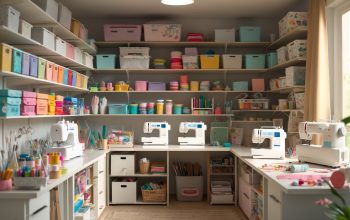
Initial storage—drawers, bins, shelves—may seem sufficient, but most crafters quickly outgrow their original systems as they accumulate new tools and materials. Upgrading or expanding your storage can be a continual expense, especially if you value modular solutions or custom-built units. Storage upgrades can range from $50 for basic bins to $500+ for custom cabinetry.
Organization Supplies and Upkeep
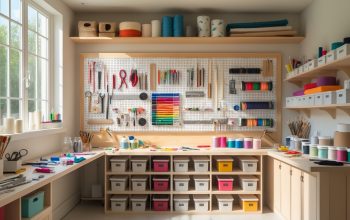
Label makers, drawer dividers, magnetic strips, pegboards, and specialty organizers are rarely factored into the initial budget. Over time, the cost of optimizing your workflow and keeping your space tidy adds up. Annual spending on organization can range from $50 to $150, depending on how advanced your systems become.
4. Safety, Ergonomics, and Accessibility
Personal Protective Equipment (PPE)
Safety goggles, masks, gloves, and aprons are essential for many crafts, particularly those involving chemicals, heat, or sharp tools. PPE wears out and requires regular replacement. Quality PPE can cost $20–$100 per set, and you may need multiples for different activities.
Fire Safety and Emergency Supplies
Fire extinguishers, first aid kits, smoke detectors, and emergency lighting are often overlooked but are critical for a safe studio. These safety essentials require periodic checks and replacement parts (e.g., extinguisher recharging, battery changes).
- Fire extinguisher: $35–$75 (plus periodic recharge or replacement)
- First aid kit restocking: $15–$30 annually
- Smoke detector batteries: $5–$10 per year
Ergonomic Upgrades
Comfortable chairs, anti-fatigue mats, adjustable worktables, and proper lighting all contribute to long-term health and productivity. These upgrades may not seem urgent, but neglecting ergonomics can lead to injury or discomfort. Expect to spend $100–$500 on ergonomic improvements over time.
Accessibility Considerations
Wheelchair access, adaptive tools, or adjustable storage can be necessary for makers with mobility needs. Retrofitting a studio for accessibility can involve ramps, wider doorways, or specialty equipment, adding hundreds or even thousands to your overall investment.
5. Insurance, Permits, and Compliance (Even for Hobbyists)
Homeowner’s or Renter’s Insurance Riders
If your studio contains high-value equipment or if you sell your creations, you may need to add coverage or a rider to your insurance policy. This can cost an extra $50–$200 per year, but it’s essential for peace of mind.
Permits and Local Compliance
Even home-based studios can trigger permit requirements, especially if you make structural changes, install plumbing, or operate a business. Permit fees vary by region but can range from $50 for minor renovations to $500+ for major upgrades. Fines for non-compliance are a hidden risk.
Hazardous Material Disposal
Some craft supplies—solvents, paints, resins—are classified as hazardous waste. Proper disposal may involve municipal fees or special pickup services, often overlooked in initial budgeting.
6. Cleaning and Consumable Supplies
Ongoing Cleaning Costs
Maintaining a healthy studio requires regular cleaning, especially if you work with dust, fibers, or volatile compounds. The cost of cleaning supplies—HEPA vacuum bags, filters, specialty wipes, and cleaning solutions—can add up. A realistic cleaning budget is $10–$30 per month.
Waste Disposal and Recycling
Crafting generates waste: scrap materials, packaging, and used supplies. Many municipalities charge extra for large or specialty waste pickups. Investing in recycling bins or composting systems can add an initial $50–$150 to your setup.
7. Digital and Creative Subscriptions
Design Software and Cloud Storage
If you use digital cutting machines, embroidery tools, or design software, factor in recurring costs for software subscriptions (e.g., Adobe, Cricut Access), cloud storage, and design files. These costs range from $10–$50 per month.
Online Learning and Inspiration
Workshops, online courses, and membership sites are invaluable for skill growth but can sneak into your budget at $10–$30 per month. Budgeting for ongoing education ensures you keep pace with trends and techniques.
8. Studio Aesthetics and Refresh Cycles
Decor and Personalization
While not strictly necessary, most crafters eventually invest in decorative touches—wall art, inspiration boards, plants, or themed decor. These costs are often underestimated but play a vital role in maintaining motivation and comfort.
Periodic Refreshes
Wear and tear mean that paint, flooring, and soft furnishings need updating every few years. Plan for a refresh cycle (every 3–5 years) with a budget of $200–$800, depending on your space and tastes.
9. Hidden Time Costs
Project Setup and Takedown
Each craft session requires time for setup and cleanup, which, while not a direct financial cost, affects your productivity and can lead to more wear on your tools and space. Factoring in these time investments helps you value your creative output—and might influence your choices in workflow tools and organization.
10. How to Plan for Hidden Costs: Practical Steps
Create a Rolling Budget
Set aside a small monthly or quarterly fund specifically for unforeseen expenses. Track your consumable usage, maintenance, and upgrade needs over time to develop a realistic baseline for future projects.
Perform Regular Cost Audits
Every 6–12 months, review your studio expenses, including utility bills, tool repairs, and supply restocking. Look for trends and adjust your budget accordingly so you’re not caught off guard by recurring or seasonal spikes.
Prioritize Investments
Not all upgrades need to happen at once. List your must-haves versus nice-to-haves and tackle them in phases. Invest first in safety, core functionality, and comfort before moving on to decorative or specialty items.
Leverage Community Resources
Join local maker spaces, craft clubs, or online groups to borrow specialty tools, share bulk purchases, or trade materials. This can help defray some hidden costs and foster a supportive creative network.
Conclusion: Budgeting for Creative Freedom
Transforming a space into a DIY craft studio is a deeply rewarding journey, but one that’s often more expensive than it first appears. Hidden costs—from utility upgrades to ongoing tool maintenance, safety measures, and organizational tweaks—can quietly accumulate, threatening to turn your creative dream into a financial stressor. By anticipating and planning for these less-obvious expenses, you’ll not only protect your wallet but also build a studio that supports your artistry for years to come.
Remember, every studio is unique, and your actual hidden costs will reflect your space, your chosen crafts, and your personal working style. The key is to take a holistic, long-term view of your project: look beyond the initial setup and ask what it will take to keep your space safe, comfortable, and inspiring month after month. Regularly reviewing your expenses, prioritizing essential upgrades, and tapping into the collective wisdom of the maker community can help you stretch your budget and avoid costly surprises.
Ultimately, understanding and embracing the full cost of creative living isn’t about discouraging you from building your dream studio—it’s about empowering you to do it smarter and more sustainably. With the right foresight, you can craft a space that not only fuels your imagination but also respects your resources. Budget wisely, create boldly, and watch your DIY studio become a true haven for creative growth.
You mentioned recurring costs besides just the initial setup. Which ongoing expenses tend to surprise people the most after the studio is already up and running?
One of the biggest surprises is how quickly supplies like glues, paints, and specialty papers need replenishing. Other ongoing costs that catch people off guard include higher utility bills from tools and lighting, as well as regular maintenance or replacement of equipment that wears out faster with frequent use.
If I only plan to run basic power tools and not high-wattage gear, is upgrading the wiring and adding outlets still necessary, or could I get away with what’s already there?
If you’re only using basic power tools, your existing wiring and outlets might be sufficient, as long as the circuit can handle the combined load and there are enough outlets for safe operation. However, it’s wise to check the amperage of both your tools and your circuit. If you notice frequent breaker trips or have to use extension cords, upgrading could improve safety and convenience.
I’m curious if the article covers how often ongoing maintenance or upgrades, like surge protector replacements or rewiring, are actually needed for most home craft studios.
The article does touch on ongoing maintenance and upgrades, mentioning that items like surge protectors and certain wiring may need replacement over time. However, it doesn’t specify exact frequencies, since needs can vary depending on equipment use and the age of the studio setup. Regular checks are recommended to ensure safety and functionality.
Is there a typical timeframe when unexpected maintenance costs tend to pop up for home craft studios, or are they more scattered over time?
Unexpected maintenance costs for home craft studios usually don’t follow a set schedule. They can be scattered over time, depending largely on how often you use your space and the types of materials and equipment you have. However, some costs, like replacing tools or repairing ventilation, often appear after about a year or two of regular use.
Could you elaborate on which types of craft equipment are most likely to require electrical upgrades or permits? I’m especially curious about how to anticipate these costs if I plan to add new tools over time.
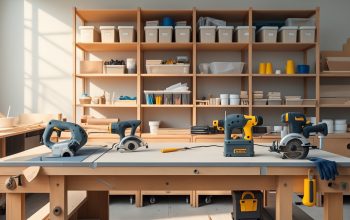
High-powered equipment like kilns, industrial sewing machines, large-format printers, and woodworking tools such as table saws or dust collectors often need dedicated circuits or higher voltage outlets, which may require electrical upgrades or permits. If you plan to add new tools in the future, consider mapping out their power requirements and consulting an electrician about your studio’s current electrical capacity to anticipate potential upgrade costs.
Can you share some estimates or examples of how much the monthly electricity bill typically increases after setting up a craft studio with climate control and specialized equipment?
Setting up a craft studio with climate control and equipment like heat presses, sewing machines, or laser cutters can raise your electricity bill significantly. Many creators report increases of $30 to $100 per month, depending on the equipment used and how often it’s running. Climate control, like air conditioning, often makes up a large portion of that increase.
In terms of budgeting upfront, do you recommend allocating a certain percentage of the overall project cost for these hidden expenses, or is there a better way to avoid financial surprises?
Allocating a percentage—typically 10–20% of your total budget—for hidden costs is a practical approach, as it gives you a financial cushion. However, it’s even better to research common hidden expenses specific to your project, list them out, and estimate amounts, so you can budget more accurately and minimize surprises.
Are there any practical ways to minimize the spike in power bills without compromising on equipment quality or workspace lighting?
Yes, you can use energy-efficient LED lighting to maintain good workspace illumination without raising your power bill. For equipment, look for models rated for lower energy consumption or those with energy-saving features. Remember to unplug tools when not in use, and consider using smart power strips to avoid standby energy drain.
The article mentions surge protectors and energy-efficient bulbs as hidden costs. Are there specific brands or types you recommend that balance safety with affordability for a home craft studio?
For surge protectors, look for brands like Belkin or APC, which offer reliable protection without breaking the bank. For energy-efficient bulbs, LED bulbs from Philips or GE are affordable, long-lasting, and provide good lighting for craft workspaces. Choose surge protectors with enough outlets for your equipment and bulbs with a daylight or cool white color temperature for the best workspace lighting.