
Introduction
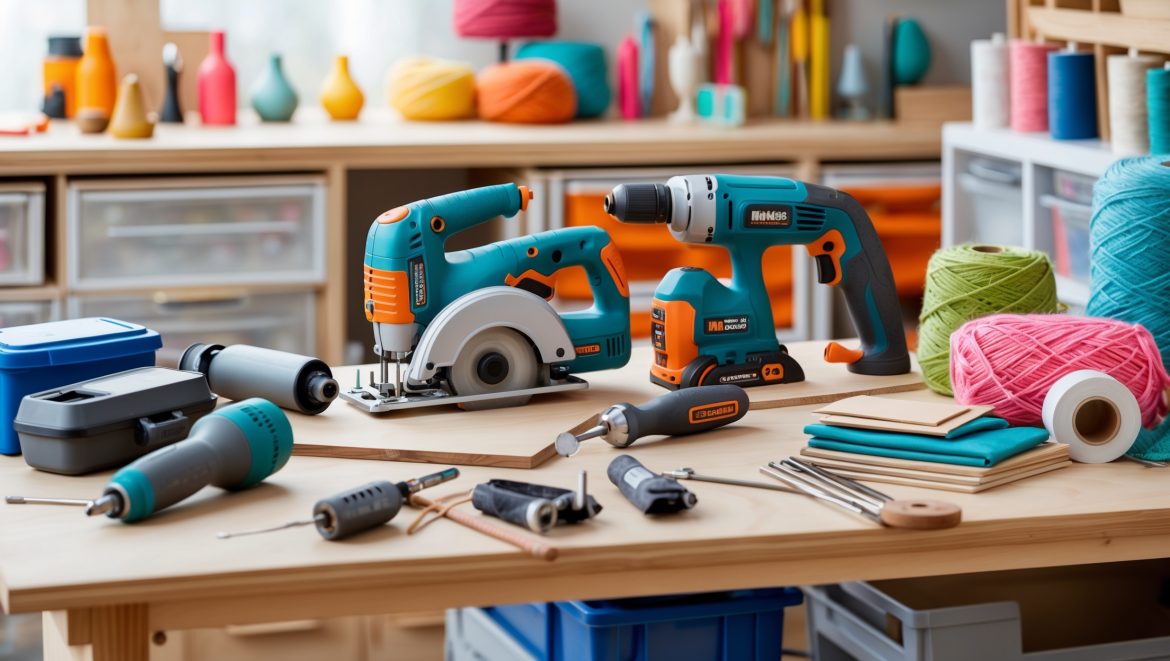
Setting up a DIY craft studio is one of the most exciting steps for creative makers, whether you’re a seasoned artisan or just starting your hands-on journey. The heart of any productive, safe, and versatile space is the collection of tools you choose—especially power tools. With dozens of options on the market and countless features to consider, buying your first (or next) set of power tools can be overwhelming. The right choices will expand your creative possibilities and keep you working efficiently, while the wrong ones can lead to frustration, wasted money, or even safety hazards.
This comprehensive guide is designed for DIYers, crafters, and creative studio owners who want to make smart, informed choices when investing in power tools. We’ll walk you through the must-have equipment, key features to consider, safety factors, and savvy ways to stretch your budget. Whether you’re outfitting a new space or upgrading your current setup, you’ll find practical, actionable advice to match your unique creative needs.
Why Power Tools Matter in a DIY Craft Studio
While hand tools are the foundation of any craft studio, power tools can dramatically increase your efficiency, enable precision, and allow you to tackle more ambitious projects. From shaping wood for custom décor to cutting intricate stencils or sanding large surfaces smooth, power tools unlock new creative horizons. They also save valuable time—transforming tasks that would take hours into minutes—so you can focus more on the inventive aspects of your craft.
However, not all power tools are created equal. Selecting the right tool for your workspace, materials, and personal safety is essential for a productive and enjoyable crafting experience. With thoughtful choices, your power tools can become trusted partners in your creative journey.
Main Categories of Power Tools for Craft Studios
Before shopping, it’s important to understand the main categories of power tools you might encounter. Each serves a different role in creative projects:
- Drilling and Fastening: Cordless drills, impact drivers, and electric screwdrivers for assembling frames, installing hardware, and building fixtures.
- Cutting: Jigsaws, circular saws, scroll saws, and rotary tools for cutting wood, plastic, and other materials into custom shapes.
- Sanding and Finishing: Orbital sanders, belt sanders, and detail sanders for prepping surfaces and creating smooth finishes.
- Shaping and Engraving: Rotary tools, Dremels, and wood burners for intricate detail work and surface customization.
- Specialty Tools: Heat guns, glue guns, and small compressors for unique crafting techniques.
Identifying Your Crafting Needs
Assessing Your Primary Projects
Start by listing the types of projects you most frequently complete or aspire to create. Are you building furniture, making jewelry, working with textiles, or designing mixed-media art? Your main project types will determine which power tools are truly essential, and which may be nice-to-have luxuries.
- If you work with wood, prioritize saws and sanders.
- For fabric and textiles, consider rotary cutters and electric scissors.
- Mixed media crafters may benefit from versatile rotary tools and glue guns.
Studio Space and Power Constraints
Measure your workspace and note the location of power outlets. Compact, cordless tools are ideal for smaller studios or shared spaces. For larger, dedicated studios, corded tools may provide more consistent power for heavy-duty tasks. Always account for ventilation and dust collection when selecting sanders and saws.
Key Features to Consider When Buying Power Tools
Power Source: Corded vs. Cordless
Cordless tools offer flexibility and portability, making them a favorite for crafters who move around their studio or attend markets and workshops. Look for lithium-ion batteries for longer run times and faster charging. Corded tools, on the other hand, deliver continuous power and are often lighter (since they lack batteries), making them better suited for long work sessions or demanding tasks.
Ergonomics and Weight
Comfort is crucial when using power tools for extended periods. Test the grip, balance, and weight in your hand if possible. Look for features like anti-vibration handles, rubberized grips, and adjustable speed controls to minimize fatigue and maximize control.
Variable Speed and Precision
The ability to adjust speed is vital for delicate work—such as engraving, sanding, or cutting soft materials. Tools with variable speed settings allow you to match the tool’s performance to the material’s needs, improving both safety and results.
Attachments and Versatility
Some power tools offer a range of compatible attachments and accessories. Rotary tools, for instance, can be fitted with cutting discs, engraving bits, sanding drums, and more. This versatility can save space and money if you prefer multipurpose solutions.
Safety Features
Look for tools with built-in safety features such as:
- Trigger locks
- Automatic shut-off
- Blade guards
- Dust extraction ports
- Overload protection
Brand Reputation and Warranty
Invest in tools from reputable brands known in the DIY and craft community. Read reviews, ask peers for recommendations, and check the manufacturer’s warranty and customer support policies. Reliable after-sales support is invaluable if repairs or replacements are ever needed.
Must-Have Power Tools for Most DIY Craft Studios
Based on the most common craft studio projects, here’s a practical list of foundational power tools worth considering:
- Cordless Drill/Driver: For drilling holes, assembling furniture, and installing hardware. Choose a model with adjustable clutch and multiple speed settings.
- Jigsaw: Excellent for cutting curves and intricate shapes in wood, plastic, or thin metal sheets. Compact and user-friendly.
- Orbital Sander: Speeds up surface prep and finishing. Look for models with dust collection bags for a cleaner workspace.
- Rotary Tool (e.g., Dremel): Highly versatile for cutting, sanding, engraving, and polishing small items.
- Hot Glue Gun: A crafting essential for quick bonding of various materials. For safety, choose one with an insulated tip and auto shut-off.
Optional upgrades based on specialty:
- Belt Sander: For rapid material removal on larger wood projects.
- Scroll Saw: For detailed fretwork and fine cuts in wood or acrylic.
- Heat Gun: For embossing, paint stripping, or shaping plastics.
Budgeting for Power Tools: Buy Smart, Not Cheap
Set a Realistic Budget
Quality power tools can be a significant investment, but they pay off in reliability and longevity. Start by planning a budget that reflects your crafting needs and studio goals. Don’t overspend on features you’ll rarely use, but avoid the temptation of ultra-cheap, no-name tools that may compromise safety or durability.
Prioritize Essentials
If you’re outfitting a new studio, prioritize multi-use tools first. Over time, supplement your collection with specialized equipment as your projects demand.
Consider Refurbished or Gently Used Tools
Many reputable brands offer certified refurbished power tools, which can save you 20-40% compared to new models. Local maker groups, online marketplaces, and community sales are also good sources for lightly used, high-quality tools—just be sure to inspect for damage and ask about the tool’s history.
Factor in Accessories and Maintenance
Always budget for:
- Extra batteries or replacement cords
- Blades, bits, sanding discs, and attachments
- Storage cases or wall mounts for safe organization
- Protective gear, such as safety glasses and dust masks
Safety Best Practices for Power Tool Use in a Craft Studio
Personal Protective Equipment (PPE)
Regardless of your experience level, always use appropriate PPE:
- Safety glasses or face shields
- Dust masks or respirators
- Hearing protection (especially for saws and sanders)
- Non-slip gloves (where appropriate)
Workspace Setup
Maintain a clean, organized workspace free of clutter. Secure power cords to prevent tripping. Ensure good lighting and proper ventilation, especially when sanding, cutting, or using adhesives.
Tool Maintenance and Inspection
Regularly inspect tools for wear, frayed cords, or loose parts. Keep blades and bits sharp for safer, more efficient operation. Clean dust and debris from vents and moving parts after each use.
Safe Operation Procedures
- Read the instruction manual for each tool, even if you have prior experience.
- Never bypass safety features or remove guards.
- Disconnect power (or remove the battery) before changing attachments.
- Store tools out of reach of children and pets.
Step-by-Step Power Tool Buying Process
- Define Your Project Goals: What do you want to make? List your top three project types or techniques.
- Assess Your Space: Measure your workspace and identify power sources, storage areas, and ventilation needs.
- Research Tool Options: Use forums, reviews, and expert blogs to compare brands and models. Note must-have features for your specific crafts.
- Set a Budget: Allocate funds for both the tool and necessary accessories or safety gear.
- Test Tools (if possible): Visit a store or borrow from a friend to feel the ergonomics and weight.
- Check Warranty and Support: Register for warranties and keep receipts for future reference.
- Plan for Maintenance: Research recommended cleaning, storage, and replacement schedules for longevity.
Recommended Brands and Resources
- Makita, Bosch, and DeWalt: Known for reliability and a broad range of tools suitable for both beginners and professionals.
- Dremel: A leader in rotary tools and accessories, ideal for intricate craft and hobby work.
- Ryobi: Popular among DIYers for affordable, versatile tools compatible with a single battery system.
- Craftsman: Great for basic power tools with solid warranties and nationwide support.
Tap into online communities like Reddit’s r/DIY, dedicated crafting forums, and YouTube review channels for real-world feedback and tutorials.
Power Tool Storage and Organization Tips
Proper storage extends the life of your tools and keeps your studio safe and efficient. Consider:
- Wall-mounted racks for drills, saws, and sanders
- Clear bins for accessories and small attachments
- Battery charging stations with surge protection
- Labeling shelves and drawers for fast retrieval
Always store tools in a dry, dust-free environment and regularly check for signs of rust or corrosion.
When to Upgrade or Expand Your Power Tool Collection
As your skills grow, you may find yourself limited by your current tools. Consider upgrading when:
- Your projects require more power or precision than your entry-level tools provide.
- You’re spending more time on maintenance and repairs than crafting.
- You want to explore new techniques (e.g., laser engraving, CNC carving) that require specialized equipment.
Plan upgrades around sales events or after thoroughly researching the latest models and reviews.
Conclusion
Outfitting your DIY craft studio with the right power tools is a rewarding investment that will pay dividends in creativity, efficiency, and safety. The process doesn’t have to be intimidating—by starting with a clear understanding of your crafting goals, workspace limitations, and budget, you can make targeted purchases that support your unique projects. Prioritize quality, comfort, and essential safety features, and don’t hesitate to reach out to the crafting community for recommendations tailored to your needs.
Remember, the best power tools aren’t always the most expensive or feature-packed—they’re the ones that feel right in your hand, match your creative ambitions, and inspire you to push your craft further. Regular maintenance, secure storage, and a commitment to safe practices will ensure your investment lasts for years to come. As your skills evolve, revisit your toolkit, upgrading or expanding as new projects demand. By making informed, thoughtful decisions, you’ll build a craft studio that’s not just well-equipped, but truly empowers your creative journey.
Could you elaborate on what specific safety features I should prioritize when choosing power tools for a small craft studio where space is limited?
For a small craft studio, look for power tools with automatic shut-off features, blade or bit guards, and non-slip grips to prevent accidents in tight spaces. Tools with dust collection systems help keep the area clean and reduce risks. Also, consider models with clear, easy-to-reach emergency stop buttons and compact, stable designs to avoid tipping or accidental movement.
You mentioned that choosing the wrong power tools can lead to safety hazards. Are there certain features or certifications I should look for to ensure the tools I buy are as safe as possible for a small studio?
Look for power tools with safety certifications like UL (Underwriters Laboratories), CSA (Canadian Standards Association), or CE (European Conformity). Features such as automatic shutoff, blade guards, non-slip grips, and easy-to-reach emergency stops can also enhance safety. Reading the manufacturer’s manual and ensuring the tools have good ventilation for indoor use is important for a small studio.
You mention that choosing the wrong power tools can lead to safety hazards in a craft studio. Are there specific safety certifications or features I should prioritize when shopping for tools intended for a small indoor workspace?
When shopping for power tools for a small indoor workspace, look for certifications like UL (Underwriters Laboratories) or CSA (Canadian Standards Association), which ensure safety standards. Features to prioritize include built-in dust collection, automatic shutoff, safety guards, and low-noise operation. Tools with double insulation and ergonomic grips also help make your workspace safer and more comfortable.
Could you share some tips on balancing safety and efficiency when working in a small craft studio with limited space for power tools?
In a small craft studio, choose compact, multi-purpose power tools to save space and reduce clutter. Always keep your workspace tidy and store tools properly when not in use. Prioritize good lighting, use safety gear, and plan your workflow to avoid accidents. Setting up clear zones for cutting, sanding, and assembly helps maintain both safety and efficiency.
When stretching your budget, are there specific power tools where it makes sense to invest more for quality, and others where entry-level options are sufficient for most crafting needs?
Investing more in tools like cordless drills, jigsaws, and sanders can pay off, as quality versions are safer, last longer, and perform better. For items like glue guns or basic rotary tools, entry-level models often work well for most projects. Focus your budget on frequently used, versatile tools where durability matters most.
This guide covers a lot about choosing the right tools, but do you have any suggestions for organizing or storing power tools safely in a studio that’s short on space?
For a small studio, wall-mounted pegboards or magnetic strips can help keep power tools visible and accessible without taking up much room. Stackable storage bins, labeled drawers, or a compact rolling tool cart are also great for organizing and moving tools around as needed. Always store tools with sharp edges covered and unplug everything when not in use for safety.
When talking about outfitting a DIY craft studio, do you have guidance on the minimum space requirements for safely operating the main categories of power tools?
For safe operation in a DIY craft studio, allow at least 3 to 4 feet of clear space around stationary power tools like table saws or drill presses. Smaller handheld tools need a clutter-free workbench and elbow room. Ensure walkways remain clear and plan for extra room when cutting or handling larger materials.
The article talks about expanding creative possibilities with power tools—are there particular tools you’d recommend for working with mixed materials, like both wood and fabric?
For working with both wood and fabric, a rotary tool is incredibly versatile—it can cut, sand, and engrave a variety of materials. A jigsaw with fine blades is also useful for detailed shapes in wood and thick fabrics. Consider a hot glue gun for joining mixed materials and a cordless drill for assembling projects that combine wood and fabric elements.
The guide mentions stretching your budget when investing in power tools for a craft studio. Could you provide specific examples of cost-effective brands or tips for finding reliable secondhand equipment?
For budget-friendly power tools, brands like Ryobi, Black+Decker, and Craftsman often offer solid performance at reasonable prices. To find reliable secondhand equipment, check local classifieds, community marketplaces, or professional tool refurbishers. Always inspect used tools for wear, test if possible, and ask about their maintenance history to ensure safety and longevity.
I’m curious about budget considerations—are there smart ways to prioritize which essential power tools to buy first if I’m outfitting my studio gradually? What would you recommend as the best starting point for someone building up their setup over time?
When working with a budget, it’s smart to start with the most versatile tools you’ll use most often. A quality cordless drill and a circular saw are usually top priorities, as they cover a wide range of basic tasks. As your needs grow, you can add specialty tools like sanders or jigsaws. This way, you build up your toolkit efficiently without unnecessary upfront expenses.
Can you explain more about how to stretch your budget when choosing power tools for a DIY craft studio? Are there certain tools that are safe to buy used or refurbished?
To stretch your budget, prioritize versatile tools like a cordless drill or multi-tool, which can handle a range of tasks. Buying used or refurbished is often safe for sturdy items like drills, sanders, and saws, as long as you check for visible wear and test their operation. Stick to reputable brands, and avoid used tools with electrical faults or missing safety features.
For crafters working in small or shared spaces, do you recommend any particular features or compact versions of power tools that help save space without compromising function?
For small or shared craft spaces, look for compact or multi-functional power tools, such as cordless drills with changeable heads or oscillating multi-tools. Tools with foldable handles, built-in storage, or stackable cases also help save space. Additionally, consider benchtop versions of larger equipment, as they offer solid performance in a smaller footprint.
I’m setting up a small craft studio at home and have young kids around. Can you suggest which safety features are most critical to look for when choosing power tools for a shared family space?
When selecting power tools for a shared family space with young kids, look for features like automatic shut-off, blade guards, and trigger locks. Tools with covered switches and safety interlocks help prevent accidental activation. Also, consider storing tools with childproof locks and keeping them unplugged when not in use to maximize safety.
You discussed how power tools can increase efficiency and precision. For someone mainly working with wood and mixed media, which categories of tools should be prioritized first?
For woodworking and mixed media projects, start with versatile essentials like a quality cordless drill, a jigsaw, and a random orbital sander. These cover drilling, cutting curves, and smoothing surfaces. As your needs grow, consider adding a circular saw for straight cuts and a multi-tool for detailed work or material blending.
When you mention stretching your budget for power tools, do you have any specific suggestions for brands or models that offer good value without sacrificing too much on quality or safety?
If you’re looking to get good value on power tools, consider brands like Ryobi, Craftsman, or Bosch for reliable performance at reasonable prices. These brands typically balance affordability with durability and safety features, making them suitable for DIY craft studios. Look for bundled tool kits, which often provide better value than buying individual tools.
Could you clarify which key features are most important for ensuring both versatility and safety in a small home craft studio setup?
For a small home craft studio, look for power tools with variable speed settings, interchangeable attachments, and compact designs to maximize versatility. For safety, prioritize tools with automatic shut-off features, safety guards, ergonomic grips, and clear on/off switches. Tools with built-in dust collection also help maintain a safer workspace.
You mention that choosing the wrong power tools can actually lead to safety hazards. Are there specific features I should prioritize to make sure I’m buying the safest tools for a small craft studio?
Absolutely, prioritizing safety features is key, especially in a small craft studio. Look for tools with automatic shut-off, blade guards, non-slip grips, and easy-to-access emergency stop buttons. Also, consider models with dust extraction ports to keep the workspace clean. Make sure the tools are the right size for your needs to maintain better control and reduce risks.
For someone outfitting a small craft space, do you have recommendations for balancing tool size and storage needs with the desire for a comprehensive set of power tools?
When setting up a small craft space, consider opting for compact, multi-function power tools—like a combination drill/driver or a scroll saw with interchangeable blades. Prioritize tools you’ll use most often and look for stackable storage or wall-mounted racks to keep everything organized without taking up valuable workspace.
When outfitting a new craft studio, do you recommend prioritizing quality over quantity for power tools, especially if I’m trying to stick to a budget?
Focusing on quality over quantity is usually the best approach, especially for a new craft studio on a budget. A few reliable, well-made power tools will perform better and last longer, making your projects safer and more enjoyable. Start with essentials that match your main crafting needs, then add more tools as your budget allows.
I noticed the article emphasizes both creativity and safety when choosing power tools for a craft studio. Are there specific brands or models that balance these two aspects particularly well, especially for someone new to power tools?
For beginners looking for a balance of creativity and safety, consider brands like DeWalt, Makita, and Bosch. Their entry-level tools often include features like safety locks, ergonomic grips, and easy-to-use controls, making them user-friendly for newcomers. Look for models with clear safety instructions and built-in safety guards to help you work confidently and creatively.