
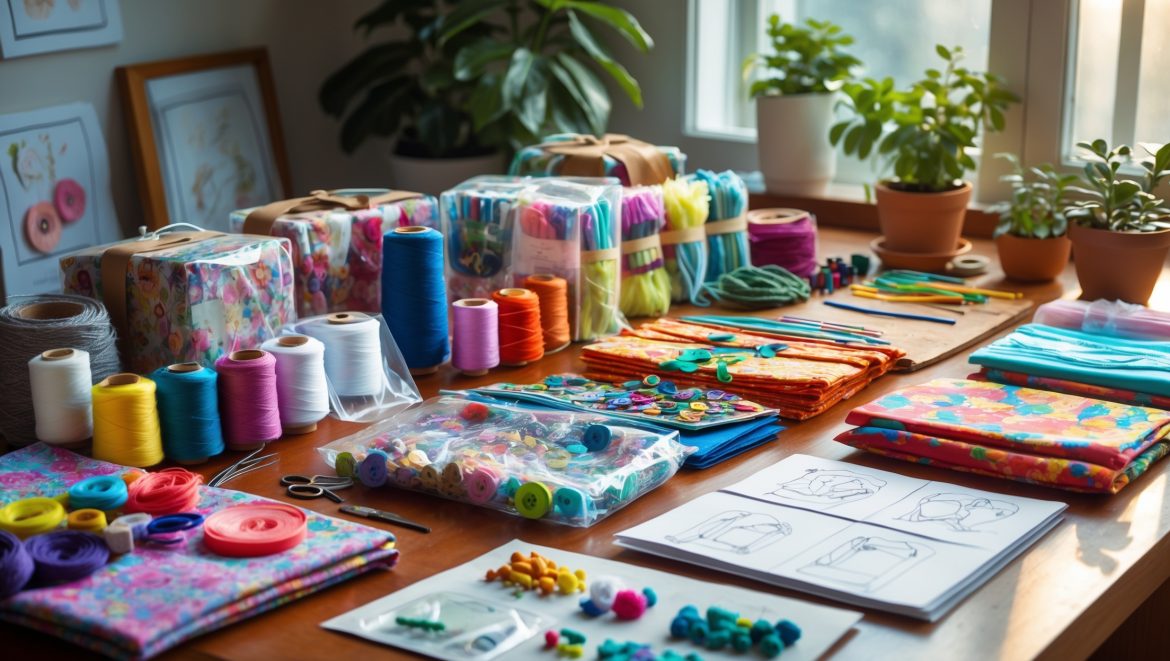
Introduction: The Handmade Craft Kit Boom
The creative living movement has ignited a surge in demand for handmade craft kits. From punch needle and macramé to eco-friendly soap-making and candle kits, customers want curated, hands-on experiences delivered to their doorsteps. For DIY entrepreneurs, this presents an exciting opportunity: transform your passion and skills into a thriving business selling craft kits. But in a saturated market, how can your kits stand out and reach the right audience? Traditional marketing advice rarely fits the unique needs and budgets of small-scale crafters. This guide delivers a practical, field-tested marketing blueprint tailored for selling handmade craft kits—no fluff, no jargon, just actionable steps you can implement right away.
We’ll cover everything from defining your ideal customer and creating irresistible kit experiences, to leveraging the most effective online and offline channels, building customer loyalty, and tracking your results. Whether you’re just starting out or ready to scale, these strategies will empower you to turn your creative passion into a profitable, sustainable venture. Ready to make your mark in the world of DIY craft kits? Let’s jump in.
Understanding Your Audience: Who Buys Handmade Craft Kits?
Identifying Your Ideal Customer
Success begins with a clear understanding of your target market. Start by answering:
- Who is most likely to purchase my craft kit? (e.g., busy parents, hobbyists, teens, retirees)
- What motivates them? (relaxation, creativity, gifting, family bonding)
- Are they beginners or experienced crafters?
- What challenges or needs does my kit solve?
Build a simple customer profile. For example: “Sarah, 32, a working mom, loves creative time with her kids, prefers eco-friendly materials, and has limited free time.”
Researching Your Market
Check Etsy, Amazon Handmade, and niche craft forums to see what’s trending. Read reviews on similar kits to discover unmet needs or frustrations (e.g., unclear instructions, lack of variety, shipping delays).
- Use Google Trends to gauge seasonal demand.
- Join Facebook groups and Reddit threads where your audience hangs out. Note their questions, complaints, and wish lists.
Crafting a Magnetic Offer: Beyond the Kit
Packaging and Unboxing Experience
First impressions matter. Invest time in attractive, eco-conscious packaging. Include a handwritten note, bonus stickers, or a small sample of another craft material. Unboxing videos are powerful marketing tools—your presentation should inspire customers to share their experience on social media.
Instructional Content
Clear, visual instructions are essential. Supplement printed guides with QR codes linking to step-by-step videos or photo tutorials. Consider adding a troubleshooting FAQ or tips for creative customization.
Value-Added Extras
- Offer downloadable project variations using leftover materials.
- Bundle kits with exclusive digital patterns or templates.
- Provide a discount code for customers’ next purchase to encourage repeat business.
Building Your Brand: Stand Out in a Crowded Market
Developing a Unique Selling Proposition (USP)
Your USP is the reason customers choose your kit over others. Examples:
- All-natural, locally sourced materials
- Beginner-friendly with zero prior experience needed
- Inspired by global folk art traditions
- Customizable color palettes
Highlight your USP on every platform—product listings, social bios, shipping inserts, and packaging.
Visual Identity
Consistent, high-quality photos are non-negotiable. Use natural light and neutral backgrounds to showcase your kit’s features. Develop a simple color scheme and logo to create a cohesive look across your website, Etsy shop, and social media. Free tools like Canva can help you create professional graphics.
Choosing the Right Sales Channels
Etsy, Shopify, and Beyond
Etsy is ideal for makers starting out, thanks to its built-in audience. Optimize your listings with relevant keywords (e.g., “DIY macrame wall hanging kit for beginners”). Use all 10 photo slots to show the kit’s contents and finished results. Respond to customer messages promptly—Etsy rewards responsiveness with higher search placement.
Shopify offers more customization and control over your brand, but requires you to drive your own traffic. Use Shopify’s plugin ecosystem for email marketing, reviews, and analytics.
Consider Amazon Handmade for broader reach, or niche marketplaces like Uncommon Goods. Always read the fee structures carefully—factor these into your pricing.
In-Person Sales Opportunities
- Local craft fairs and maker markets
- Pop-up shops in bookstores, cafes, or art studios
- Workshops and “make & take” events (great for gathering live customer feedback)
- Consignment in gift shops or boutiques
In-person sales build trust and give you invaluable insights into customer preferences. Provide business cards and encourage sign-ups for your email list at every event!
Marketing that Actually Works: Modern Strategies for Craft Kits
Social Media Marketing
- Instagram: Focus on eye-catching photos, reels of the crafting process, and customer spotlights. Use niche hashtags (e.g., #handmadekit, #craftkitforkids, #makeyourownart).
- Pinterest: Create boards for each kit theme. Pin step-by-step images, finished projects, and user-generated content. Add keyword-rich, enticing descriptions.
- Facebook: Join craft groups and participate (genuinely) in discussions. Share behind-the-scenes glimpses and customer stories on your business page.
- TikTok: Short, satisfying clips of unboxing, crafting, or creative hacks can quickly go viral.
Batch your content creation to save time. Use scheduling tools like Later or Buffer to keep a consistent presence.
Email Marketing
Start an email list from day one. Offer a free mini-pattern or printable in exchange for sign-ups. Use emails to:
- Announce new kit launches
- Share tips, tutorials, and seasonal project ideas
- Promote flash sales or subscriber-only discounts
Platforms like MailerLite and ConvertKit are beginner-friendly and affordable for small lists.
Influencer and Community Collaboration
- Partner with micro-influencers (2k–20k followers) in the DIY, parenting, or lifestyle niches for authentic kit reviews.
- Send sample kits to bloggers or YouTubers who create project tutorials.
- Collaborate with other makers for themed kit bundles or co-hosted giveaways.
- Encourage user-generated content by creating a branded hashtag and featuring customer photos on your channels.
Content Marketing: Tutorials and Inspiration
Blog posts and free project tutorials establish your expertise and drive organic traffic. Ideas include:
- “5 Creative Ways to Use Leftover Yarn from Your Macramé Kit”
- “How to Host a Craft Night with Friends Using Our Candle Making Kit”
- “Beginner’s Guide to Punch Needle Embroidery”
Share these posts across your social and email channels. Include a call to action—link to your shop or newsletter.
Pricing for Profit: Cost Breakdown and Smart Bundling
Calculating Your Costs
Factor in:
- Materials (including packaging, labels, instructions)
- Labor (your time for assembling and packing)
- Marketplace fees (Etsy, Shopify, payment processors)
- Shipping supplies and postage
- Marketing costs (ads, influencer samples, booth fees)
Use a spreadsheet to track true costs per kit. Don’t forget to include a reasonable hourly wage for yourself—your time is valuable!
Pricing Strategies
- Research competitor pricing to position your kits appropriately.
- Offer tiered options: basic kits for budget shoppers, deluxe kits with extras for gifting.
- Bundle related kits (e.g., “Holiday Trio: Wreath, Garland, and Ornament Kits”) at a small discount to increase average order value.
- Build in enough profit margin to allow for promotions and wholesale inquiries.
Optimizing for Search: Getting Found Online
SEO for Product Listings
Effective search engine optimization brings steady, free traffic. For each product listing:
- Include main keywords in the title, tags, and first 40 characters of the description (e.g., “DIY Soy Candle Making Kit – Beginner Eco Craft Kit Gift Set”).
- Use all available tags and attributes on Etsy or your shop platform.
- Answer common customer questions (e.g., “How long does this project take?”, “Is it safe for children?”) within the listing text for rich search relevance.
On Pinterest, use keyword-rich pin descriptions and link directly to your product or blog tutorial.
Customer Service and Repeat Business
Building Loyalty and Encouraging Reviews
- Send a follow-up email after delivery with tips, inspiration, and a gentle review request.
- Offer a loyalty discount or sneak peek at upcoming kits for repeat buyers.
- Respond to customer queries promptly and professionally, even when problems arise. A swift, helpful response can turn a negative experience into a positive review.
- Develop a referral program—reward customers who recommend your kits to friends or family.
Measuring Success: What Works and What Needs Tweaking
Tracking Key Metrics
Don’t guess—track! Use your shop dashboard or Google Analytics to monitor:
- Traffic sources (where are your buyers coming from?)
- Conversion rates (how many visitors become customers?)
- Average order value and repeat purchase rate
- Top-performing products and social posts
Adjust your marketing based on what’s working. If Instagram Reels drive more sales than Pinterest, double down on short-form video. If a particular kit gets rave reviews, consider expanding that theme.
Scaling Up: When and How to Grow
Once you have a proven kit and consistent sales, consider:
- Outsourcing kit assembly or fulfillment
- Expanding your product line (seasonal kits, skill-level variations, subscription boxes)
- Pitching to local retailers for wholesale opportunities
- Investing in paid advertising (start small—test Instagram or Pinterest ads with clear goals)
Document your processes so you can delegate tasks as your business grows. Stay focused on your core values and customer experience, even as you scale.
Conclusion: Building a Sustainable Craft Kit Business
Marketing handmade craft kits is equal parts creativity, strategy, and persistence. The most successful makers are those who blend their unique creative vision with a willingness to learn, test, and adapt. By deeply understanding your ideal customer, crafting a memorable kit experience, and using the most effective marketing channels for your niche, you’ll build a business that stands out and lasts.
Remember, word-of-mouth and customer loyalty are your secret weapons—nurture these relationships with outstanding service and regular engagement. Don’t be afraid to experiment: try new content formats, collaborate with other creatives, and adjust your pricing or bundles as you learn what resonates. Celebrate every review, every repeat customer, and every creative breakthrough along the way.
Above all, keep the joy of crafting at the heart of your business. Your passion and authenticity are what customers crave in a world of mass-produced goods. With the right blueprint, your handmade craft kits can inspire creativity, foster connection, and turn your DIY dreams into a rewarding enterprise—one happy maker at a time.

I noticed you mention researching trends on Etsy and Amazon Handmade. In your experience, how often should I revisit this kind of market research to keep my craft kits relevant without getting overwhelmed by changing trends?
It’s a good idea to review market trends on Etsy and Amazon Handmade about once every one to two months. This keeps you updated on shifts in customer interests without making the process overwhelming. If you’re short on time, set aside a regular hour each month just to scan bestsellers and new arrivals.
Could you clarify what you mean by ‘creating irresistible kit experiences’? Are you referring to the packaging, instructions, the project itself, or something else?
When we mention ‘creating irresistible kit experiences,’ we’re talking about the overall impression your craft kit leaves on customers. This includes the packaging, clear and inspiring instructions, the quality and uniqueness of the project itself, and any little extras that make the kit memorable and enjoyable from start to finish.
In terms of tracking results, are there affordable tools or simple methods you would recommend for a solo business owner who isn’t very tech-savvy?
For solo business owners who prefer simple solutions, you can track sales and customer interest using spreadsheets like Google Sheets. If you want something a bit more automated, Mailchimp offers basic email campaign tracking for free, and social media platforms like Instagram and Facebook provide easy-to-read insights on your posts. These options don’t require much technical skill or investment.
You mention using feedback from reviews on Etsy and Amazon Handmade to identify unmet needs for craft kits. Could you give some practical tips on how to efficiently gather and organize this feedback for actionable insights?
To efficiently gather feedback, start by scanning recent reviews for similar craft kits on Etsy and Amazon Handmade, noting repeated compliments or complaints in a spreadsheet. Group feedback by theme—like instruction clarity, kit variety, or packaging. Summarize patterns to pinpoint what customers appreciate or want improved. This approach helps you quickly identify gaps and opportunities for your own kits.
The article mentions both online and offline channels for marketing handmade craft kits. Do you have any example strategies for getting started locally, especially if I have a limited advertising budget?
To get started locally on a tight budget, try partnering with local shops or cafes to display a sample of your craft kits, or ask if you can set up a small table during community events. You can also offer mini workshops at libraries or community centers, which helps people try your kits firsthand and spreads the word through personal connections.
You talk about creating irresistible kit experiences. Can you give a practical example of something that helps with family bonding or makes the kit more appealing for busy parents who don’t have a lot of extra time?
A good example is designing a craft kit with quick, step-by-step instructions and pre-measured materials, allowing families to complete a fun project in under 30 minutes. You could also include conversation prompts or a themed playlist to encourage family interaction, making the experience meaningful without requiring lots of time or prep.
You mention building customer loyalty as part of the blueprint. Do you have specific examples of loyalty programs or follow-up techniques that are practical for a solo crafter with a limited budget?
For solo crafters on a tight budget, simple loyalty programs can be really effective. Try offering a discount or small freebie after a customer makes multiple purchases, or create a punch card system for repeat buyers. For follow-ups, personalized thank-you notes, checking in to see how they enjoyed their kit, or offering early access to new products are cost-effective ways to build lasting relationships.
I get a little overwhelmed with tracking results. What’s the simplest way to measure which marketing steps are actually helping me sell more kits in the beginning?
To keep things simple, start by tracking where each sale comes from. When someone buys a kit, ask how they heard about you, or check if you can see the source in your online shop. Make note of which marketing actions you did right before sales, such as posting on social media or sending an email. This will help you see which efforts are working without needing complicated tools.
If my budget is really tight, are there certain marketing channels you’d suggest prioritizing for getting my handmade craft kits noticed, especially if I’m just starting out?
If you’re working with a limited budget, focus on free or low-cost channels like social media platforms—Instagram, Facebook, and Pinterest are great for showcasing visually appealing craft kits. Also, join relevant online communities and groups where your target audience gathers. Word of mouth and sharing in local craft or hobby forums can be very effective when starting out.
The article talks about tracking results for DIY marketing efforts. What metrics or tools would you recommend for a solo entrepreneur who doesn’t have much experience with analytics?
Start by tracking simple metrics like website visits, social media engagement (likes, comments, shares), and sales numbers. Free tools such as Google Analytics for your website and built-in insights on platforms like Instagram and Facebook are user-friendly for beginners. You can also keep a basic spreadsheet to compare your results over time and spot trends.
For someone just starting out, what’s a realistic timeline to expect before seeing consistent sales from these marketing strategies? Are there any early warning signs that a particular kit concept isn’t resonating?
If you’re starting from scratch, it’s reasonable to expect at least 3 to 6 months of steady marketing before you see consistent sales. Early warning signs that your kit concept may not be resonating include very low website traffic, little engagement on social posts, and few or no email signups. If you notice these after a couple of months, it may be time to refine your concept or marketing approach.
For makers just starting out with a limited budget, which marketing step from your guide should be prioritized to get the fastest initial traction and why?
If you’re just starting out with a limited budget, focus first on building a presence on social media, especially on platforms where your target audience hangs out. This approach costs little to nothing, lets you showcase your craft kits visually, and helps you connect directly with potential customers, giving you the quickest initial traction.
In terms of tracking results, what metrics or tools would you recommend for small-scale crafters who may not have previous experience with analytics?
For small-scale crafters, start by tracking simple metrics like website visits, social media engagement, and sales numbers. Free tools like Google Analytics can show where your visitors come from and what they do on your site. On social platforms, keep an eye on likes, comments, and shares. A basic spreadsheet is also useful for recording sales and tracking growth over time.