
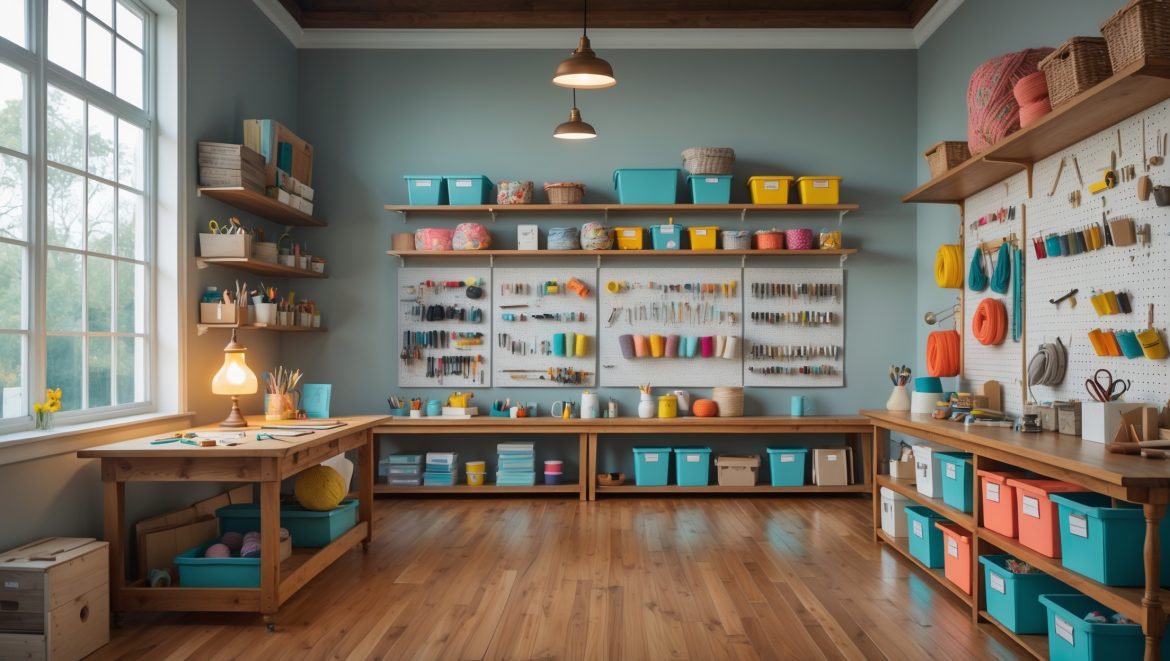
Introduction: Why Smart Tool Storage Matters in Your DIY Craft Studio
Whether you’re a seasoned DIYer or just launching your creative journey, one fact remains: a well-organized studio is the backbone of productive, enjoyable crafting. Yet, many makers overlook the importance of efficient tool storage. It’s more than just keeping things tidy. Smart storage protects your investments, saves valuable workspace, boosts your workflow, and can even inspire your creativity. The right system prevents lost tools, accidental damage, and frustrating interruptions mid-project. But every studio—and every maker—is different. Maybe you’re working within a tight budget, a small spare room, or a garage bursting with potential. Maybe your tool collection is a handful of essentials or a sprawling arsenal of specialty gadgets. This in-depth guide explores practical, creative storage ideas for every space and budget, from clever repurposing hacks to modular DIY builds. Learn how to assess your needs, select the best materials, and design a setup that grows with you. Let’s unlock new levels of efficiency and enjoyment in your creative sanctuary!
Assessing Your Tool Storage Needs
Inventory: Know What You Have
Start by gathering every tool and material you use (or plan to use) in your studio. Create a simple inventory—either on paper or digitally. Group tools by category: cutting, measuring, adhesives, specialty tools, power equipment, and so on. This step gives you a clear understanding of what you need to store and helps prevent overbuying storage supplies.
Analyze Frequency and Accessibility
Sort your tools by how often you use them. Everyday essentials should be within arm’s reach, while infrequently used items can be stored higher up or further away. Consider your workflow and the types of projects you tackle most often. If you do a lot of sewing, for example, your fabric scissors and rotary cutters should be easily accessible, while woodburning tools can be tucked away until needed.
Space Constraints
Measure your studio space, including wall height, available floor area, and the dimensions of awkward nooks. Note features like windows, doors, radiators, and electrical outlets. This ensures your storage solutions fit your room and don’t block natural light or access to power.
Budgeting for Storage: Cost-Saving Strategies
Set a Realistic Budget
Decide how much you can invest in storage solutions. Factor in both immediate needs and potential future expansions. Remember, clever organization doesn’t have to break the bank—many effective systems are built from repurposed or low-cost materials.
DIY vs. Store-Bought: Pros and Cons
- DIY Storage: Customizable, often cheaper, and can be tailored to your space. However, it may take more time and basic tool skills.
- Store-Bought Solutions: Quick to implement and sometimes modular, but often pricier and may not fit your unique needs as precisely.
Materials on a Budget
- Repurpose household items: Jars, cans, shoe organizers, bookshelves, and crates make excellent storage.
- Shop secondhand: Thrift stores, online marketplaces, and garage sales offer affordable shelving and containers.
- Bulk buys & upcycling: Buy basic storage bins in bulk or upcycle packaging and furniture for new uses.
Vertical Space: Maximizing Your Walls
Pegboards: The Ultimate Modular Solution
Pegboards are a game-changer for tool organization. Mount a panel to any wall—ideally above your workbench. Use hooks, baskets, and shelves to hold scissors, pliers, rulers, and more. Arrange tools by type or frequency of use, and adjust as your needs change. For a polished look, paint the pegboard to match your decor.
Slat Walls and Rail Systems
These are similar to pegboards but offer greater load capacity and flexibility. Slat walls are ideal for heavier tools or bulky supplies. Rails with adjustable hooks can hold anything from tape dispensers to paintbrushes, and you can hang baskets for odd-shaped items.
Floating Shelves and Wall Cabinets
Install shelves above eye level for seldom-used tools, or use shallow cabinets with glass doors to keep dust off delicate equipment while maintaining visibility. Arrange items by weight—heavier at the bottom, lighter at the top.
Smart Storage for Small Tools and Bits
Drawer Dividers and Inserts
Drawers are great for small tools, but without dividers, they quickly become junk drawers. Use custom inserts, small trays, or DIY cardboard dividers to create dedicated spaces for each item. Label each section for easy identification.
Magnetic Strips
Mount magnetic strips to your wall or inside cabinet doors for scissors, tweezers, screwdrivers, and metal rulers. This keeps tools visible and accessible while freeing up drawer and counter space.
Clear Containers and Labeling
Store tiny items—buttons, beads, fasteners, or blades—in clear jars or stackable boxes. Always label containers clearly; consider using color-coded labels for quick sorting.
Storing Power Tools and Specialized Equipment
Custom Shelving and Stands
Build or buy sturdy shelves with adjustable heights to store power tools like drills, sanders, or heat guns. Add a charging station with surge protection for battery-powered devices. Use foam cutouts or padded stands to keep delicate tools secure and prevent scratches.
Mobile Carts and Rolling Cabinets
If your projects vary or you share your space, a mobile cart can be invaluable. Store power tools, extension cords, and accessories in rolling cabinets that move with you. Lockable wheels add stability when stationary.
Safety First: Securing Hazards
Store sharp blades, solvents, or any hazardous equipment in lockable cabinets—especially if children or pets are present. Always follow manufacturer guidelines for tool storage to avoid fire or safety risks.
Creative Upcycling and Repurposing Ideas
Household Items Turned Storage Heroes
- Shoe Organizers: Hang on doors to hold paints, glue, or small hand tools.
- Muffin Tins and Ice Cube Trays: Perfect for organizing beads, screws, and other tiny parts.
- Spice Racks: Mount on walls for thread spools, washi tape, and adhesives.
- Wine Racks: Store rolled-up patterns, vinyl, or fabric.
- Mason Jars: Attach lids to the underside of shelves for easy-access storage.
Repurposed Furniture
Turn an old dresser into a base for your workbench or a bookshelf into vertical supply storage. Add casters to a repurposed kitchen cart for instant mobility. Use vintage toolboxes or sewing baskets for charm and function.
Modular and Expandable Storage Systems
Stackable Bins and Drawer Towers
Modular plastic bins or drawer towers are ideal for crafters who expand their tool collection over time. Label each bin by project, tool type, or material. Transparent bins make it easy to see contents at a glance.
Grid Panels and Cubes
Wire grid panels or cube systems are highly customizable. Use zip ties, hooks, and baskets to adapt your grid as your tools and supplies change. They’re lightweight, easy to move, and relatively affordable.
Workflow: Organizing for Productivity
Work Zones and Tool Placement
Divide your studio into dedicated zones: cutting, assembly, finishing, and storage. Place the most-used tools in each zone. For example, keep cutting mats, rulers, and rotary cutters together in the cutting area, and adhesives and clamps in the assembly area. This minimizes unnecessary movement and streamlines your creative process.
Project Bins and Ongoing Storage
Use portable bins or trays for works-in-progress. Store all tools and materials for a single project together, so you can clear your workspace at the end of the day without losing track of your progress.
Maintaining Your Storage System
Regular Reviews and Decluttering
Set aside time every few months to review your storage system. Purge broken, duplicate, or unused tools. Reorganize as your needs evolve—what worked last year may not suit your current workflow.
Cleaning and Maintenance
Dust shelves and bins regularly to prevent buildup. Wipe down tools before storing them, especially after messy projects. Check for signs of rust, wear, or pest activity, and address problems immediately.
Safety and Ergonomics in Storage Design
Safe Access and Weight Distribution
Heavy tools should be stored at waist height to minimize lifting strain. Avoid overloading shelves or stacking bins too high. Secure wall-mounted systems to studs, not just drywall, to prevent accidents.
Clear Pathways and Visibility
Keep walkways clear and avoid placing storage units where they block doors or emergency exits. Use adequate lighting, especially in corners or under shelves, to reduce trip hazards and eye strain.
Conclusion: Building a Storage System That Grows With You
Investing time and creativity into your craft studio’s tool storage pays lifelong dividends. The best system is one that fits your unique workflow, adapts to your evolving projects, and brings you joy every time you enter your space. Remember, storage is not a one-time project—it’s an ongoing process that reflects your growth as a maker. Don’t be afraid to experiment, repurpose, and tweak your setup as you acquire new tools or shift your creative focus. Whether you’re building custom shelves from reclaimed wood, repurposing thrifted finds, or simply labeling a few bins for clarity, each improvement brings you closer to a studio that supports your goals and inspires your imagination. Start with small changes, celebrate your wins, and revisit your system regularly. Your tools—and your creative spirit—deserve nothing less. With the strategies and ideas in this guide, you’ll transform your studio into a functional, organized, and inviting haven for years of happy crafting.
Do you have any tips for organizing tools in a shared studio space where multiple people have their own supplies? I’m curious how to prevent mix-ups while still using some of the DIY storage solutions you suggest.
Color-coding is a practical way to distinguish each person’s tools—assign a color or pattern to label baskets, bins, or drawer handles. You can also create designated zones or shelving units for each person. Adding name tags to storage containers and using clear bins helps everyone see their supplies easily while minimizing confusion.
Could you suggest some smart storage ideas that would work well in a really tight space, like a small corner in my living room? I love the tip about grouping tools, but I need something visually neat too.
For a small living room corner, consider using vertical storage like pegboards or wall-mounted grids to keep tools organized and off the floor. Stackable clear bins or magnetic strips can also save space while keeping items visible and tidy. Try a rolling cart that fits under a table or a hanging organizer on the side of a bookshelf for easy access and a neat look.
If I have a rotating project schedule and my most-used tools keep changing, how often should I reassess and reorganize my storage system to keep my workflow efficient?
Since your most-used tools shift with each project, it’s a good idea to reassess your storage system at the start or end of every major project or at least once a month. This keeps your workspace flexible and ensures that frequently used tools always remain accessible without clutter.
How do you recommend storing specialty tools that have odd shapes or sharp edges? I’m worried about damaging them or creating a cluttered look in a small workspace.
For specialty tools with odd shapes or sharp edges, try using pegboards with adjustable hooks, magnetic strips for metal tools, or wall-mounted racks to keep them accessible and visible. For sharper items, fabric tool rolls or individual pouches add protection and prevent clutter. These solutions help keep your workspace tidy while protecting your tools from damage.
I frequently switch between sewing and woodworking. How do you suggest I balance accessibility for such different tool types without everything ending up cluttered on my main work surface?
To keep your workspace organized, consider using portable storage solutions like rolling carts or caddies for each craft. Assign dedicated storage bins, pegboards, or wall-mounted racks for sewing and woodworking tools separately. This way, you can easily bring out only what you need for a session and quickly tuck things away, keeping your main surface clear.
What materials do you recommend for budget-friendly tool storage solutions that can still hold up to everyday use? I’m especially interested in options that won’t wear out quickly if I rearrange my setup often.
For durable, budget-friendly tool storage, consider using sturdy plastic bins or crates, which are lightweight and easy to reorganize. Repurposed wood like pallets or old bookshelves can also offer longevity if reinforced properly. Pegboards made of metal or thick MDF are great for hanging tools and can handle frequent rearranging without much wear.
When organizing tools by categories like cutting or adhesives, do you suggest keeping them all together regardless of size, or should larger equipment be stored separately from smaller hand tools?
It’s usually most practical to store tools by category, but within each category, separating larger equipment from smaller hand tools can make your workspace safer and more efficient. For example, keep all cutting tools together, but store bulky cutters or trimmers on shelves or in dedicated spots, while smaller scissors or blades go in drawers or bins.
I’m curious about repurposing hacks you mentioned—are there any specific everyday household items that make surprisingly effective craft tool organizers?
Absolutely, several everyday household items can be transformed into handy craft tool organizers. For example, muffin tins are great for sorting small embellishments, while spice racks can hold bottles of paint or glue. Empty jars or cans are perfect for storing brushes and pens, and over-the-door shoe organizers work well for larger supplies like scissors or rulers. These solutions keep supplies visible and easy to reach.
I noticed the article talks about keeping essential tools within arm’s reach. Any advice for organizing wall space efficiently, especially if you have a mix of long-handled and small hand tools?
For efficient wall organization, try combining pegboards with hooks for your small hand tools, and add a row of sturdy wall-mounted racks or brackets below or beside the pegboard for long-handled tools. Magnetic strips work well for metal tools. Group similar items together and label sections for quick access. This setup makes the most of your wall space and keeps everything visible.
I like your idea about sorting tools by frequency of use. For people who switch between totally different types of projects, how do you suggest organizing things so the workspace can adapt quickly?
For flexible workspaces, use portable storage like bins or caddies dedicated to specific project types. Keep your most-used tools in one central spot, and store project-specific supplies together so you can swap them in and out as needed. Label everything clearly to speed up transitions between projects.
How would you suggest adapting your storage system as your tool collection expands? I want to build a setup that’s easy to modify without having to start from scratch every time I add new equipment.
Designing your storage system with adjustable shelves, pegboards, and modular bins will let you expand easily. Choose components that can be shifted or added to, like stackable drawers or wall-mounted rails, so you can reconfigure your setup as your collection grows without rebuilding the whole system.